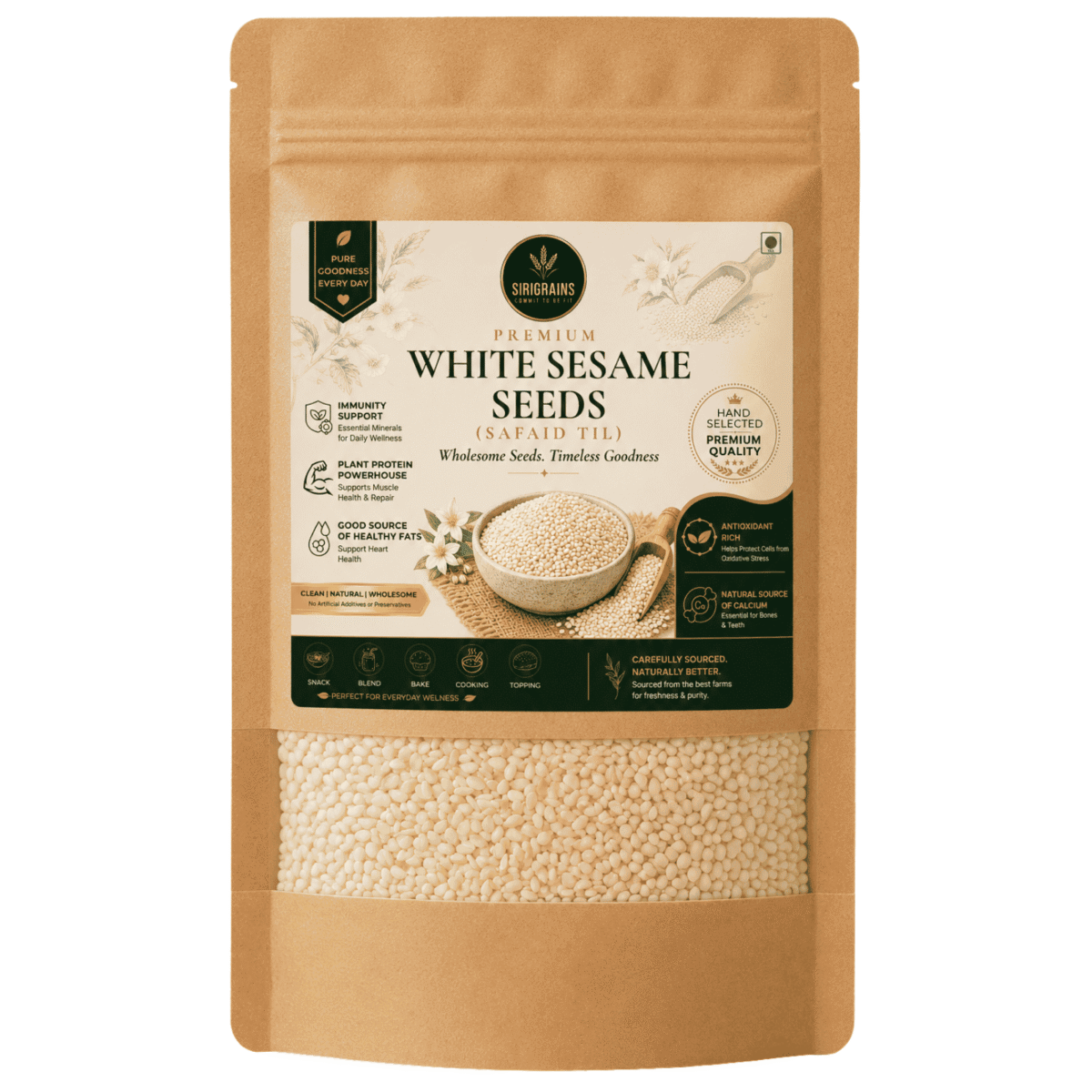
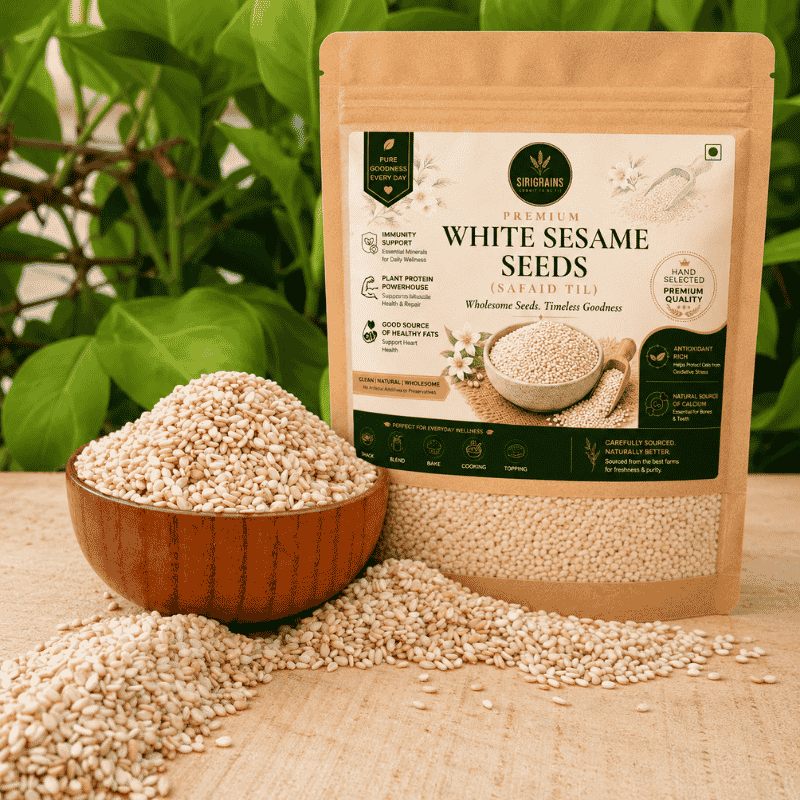
White Sesame Seeds 250g/500g Raw Unpolished Til
₹100.00
Out of stock
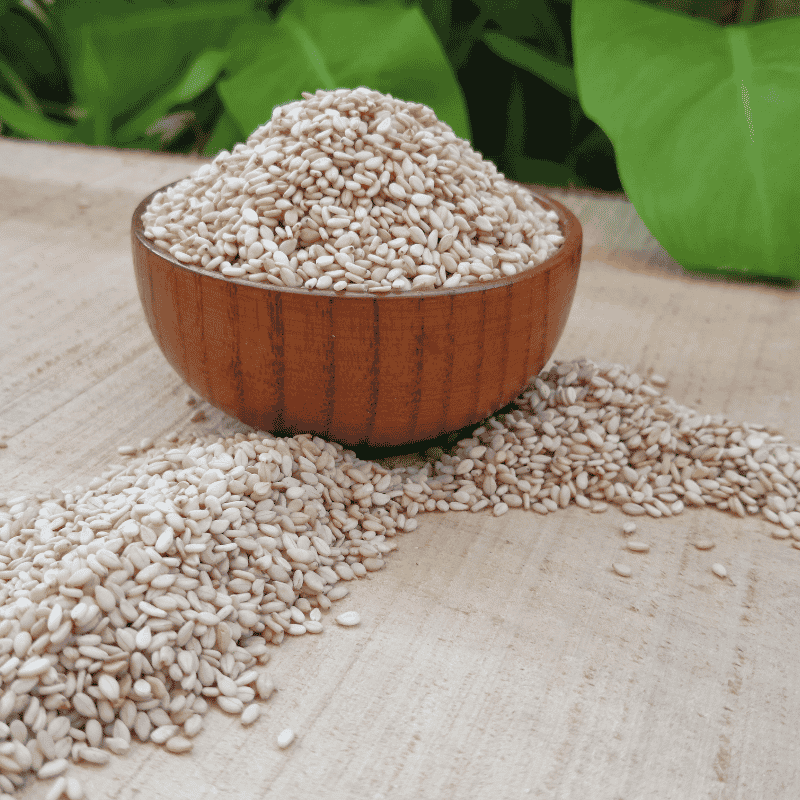
The tiny seed that packs more calcium than milk – and has nourished Indian families for millennia. SiriGrains Premium White Sesame Seeds (Til) are hulled, sun-dried, and carefully cleaned – ready to roast, grind, or add to your favorite traditional recipes. Unlike commercial seeds that may contain stones, dust, or mixed colors, our seeds are uniform creamy white with a sweet, nutty aroma and high oil content.
WHY WHITE SESAME SEEDS ARE A TRADITIONAL SUPERFOOD:
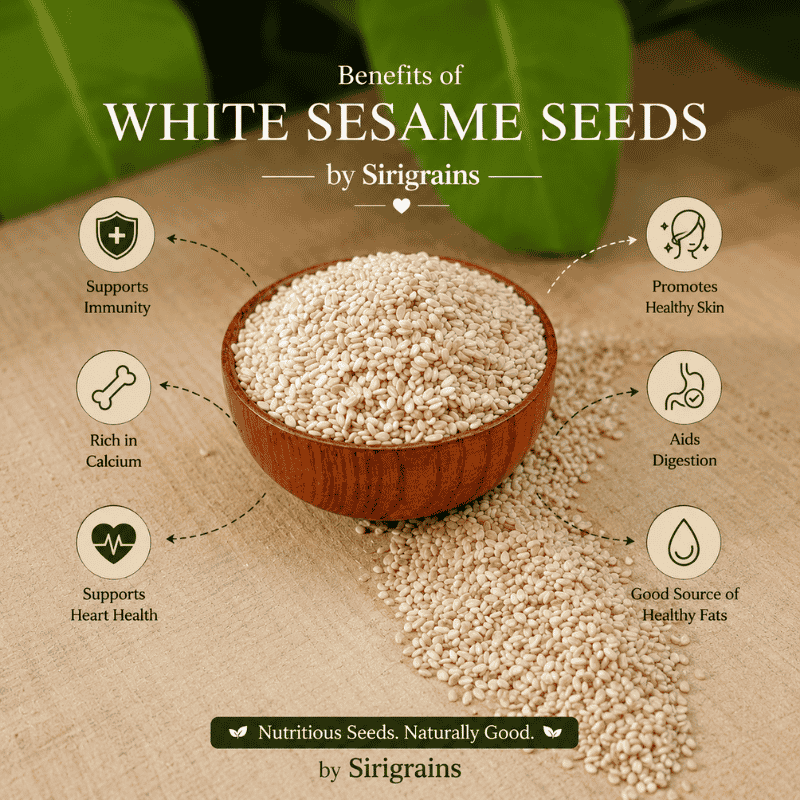
- Highest Plant Calcium (975mg/100g) – More calcium than milk (120mg) or any other plant food – critical for bones, teeth, and preventing osteoporosis
- Rich in Iron (14.6mg/100g) – Supports hemoglobin production, prevents anemia – especially important for women and growing children
- Plant Protein (17g/100g) – Complete protein for sustained energy
- Heart-Healthy Fats (Sesamin & Sesamolin) – Unique lignans that support cardiovascular health
- Postpartum & Lactation Support – Traditional food for new mothers (rich in calcium, iron, healthy fats)
- Rich in Zinc, Copper, Magnesium – Supports immunity, skin health, and energy production
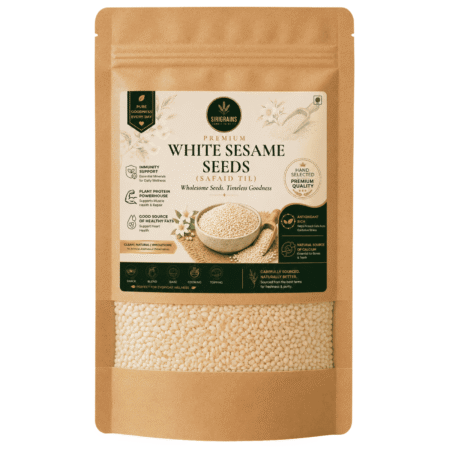
- 100% Natural | Hulled | No Stones | No Preservatives | FSSAI Certified
📋 Available Sizes: 250g (Trial) | 500g (Family Pack)
🚚 Free Shipping on orders above ₹599 | 🔒100% Secure Checkout
This item: White Sesame Seeds 250g/500g Raw Unpolished Til
₹100.00
₹100.00
Build Your Bone Health Bundle
Categories
BestsellerFeaturedOnsaleNewest
In stock
5.05 kg
₹1,166.00
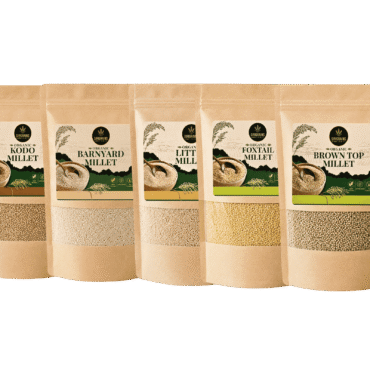
Millet Combo Pack (5 Millets x 1kg), Complete 5 Millet Siridhanya Pack
SKU: SG-MCP-ORG-1KG
In stock
1.05 kg
₹99.00
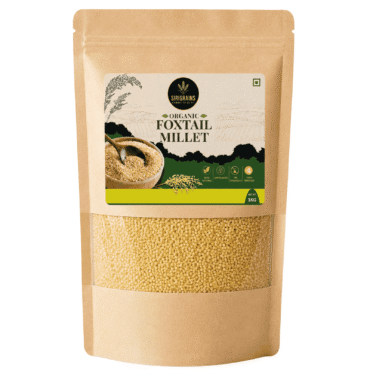
Foxtail Millet 1kg | Low GI, High Fiber, (Kangni / Navane)
SKU: SG-FM-ORG-1KG
In stock
2.56 kg
₹599.00
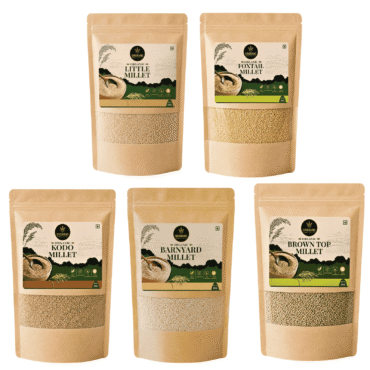
Siridhanya Combo Pack (5 Positive Millets x 500g) – Khader Vali Millets
SKU: SG-MCP-ORG-500gm
In stock
1.05 kg
₹225.00
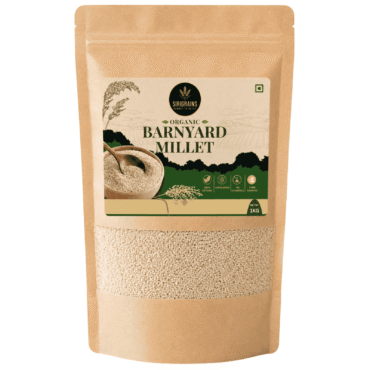
Barnyard Millet 1kg | Highest Fiber, Low Carb, (Sanwa / Samo)
SKU: SG-BM-ORG-1KG
In stock
1.05 kg
₹180.00
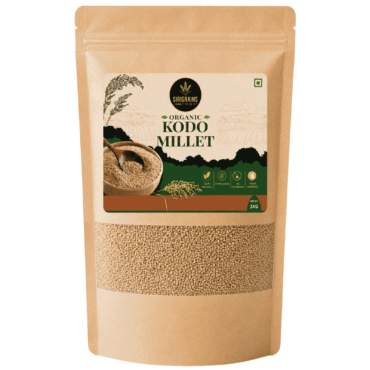
Kodo Millet 1kg, Prebiotic Rich, Gut Health Grain, (Kodra / Varagu)
SKU: SG-KM-ORG-1KG

Estimated Delivery:
Oct 29 Nov 02
people
are viewing this right now
Description
The Seed That Built Strong Bones: Why Sesame Seeds Are India’s Original Calcium Supplement
Before calcium tablets, there were sesame seeds. For thousands of years, Indian mothers have fed til ke laddoo to growing children, til chutney to pregnant women, and til powder to new mothers. Traditional wisdom knew what modern science now confirms: sesame seeds contain 975mg of calcium per 100g – the highest plant source of calcium on Earth.
That’s 8 times more calcium than milk (120mg), 3 times more than ragi (344mg), and more than any other plant food. For the millions of Indians who are lactose intolerant or follow plant-based diets, sesame seeds are a critical, traditional source of bone-building calcium.
SiriGrains brings you premium white sesame seeds (til) – hulled, sun-dried, and carefully cleaned to remove stones, dust, and chaff. Uniform creamy white with a sweet, nutty aroma, our seeds are ready for laddoos, chutneys, powders, or daily sprinkling.
Premium White Sesame Seeds vs Commercial Grade
| Parameter | SiriGrains Premium Seeds | Commercial Grade |
|---|---|---|
| Color | Uniform creamy white | Mixed, greyish, brown specks |
| Purity | 99.9% seeds, no stones/dust | May contain chaff, stones, dust |
| Calcium Content | 975mg/100g (fully bioavailable) | Variable, often lower |
| Oil Content | 50-55% (high) | 45-50% |
| Shelf Life | 12+ months (refrigerated) | 6-8 months |
The Science of Sesame Seeds: Health Benefits Backed by Research
1. Highest Plant Calcium (975mg/100g) – Unmatched for Bone Health
Sesame seeds contain 975mg of calcium per 100g – the highest of any plant food. For comparison:
- Sesame seeds: 975mg calcium per 100g
- Ragi (Finger Millet): 344mg
- Milk: 120mg
- Curd/Yogurt: 100mg
- Paneer: 200mg
- Almonds: 269mg
For the millions of Indians who are lactose intolerant or follow plant-based diets, sesame seeds are a critical, traditional source of calcium. Regular consumption supports bone density, prevents osteoporosis, and maintains dental health – especially important for growing children, pregnant women, and elderly family members.
2. Rich in Iron (14.6mg/100g) – Prevents Anemia
Iron deficiency is one of the most common nutritional deficiencies in India, affecting women, children, and adolescents disproportionately. Sesame seeds provide 14.6mg of iron per 100g – significantly more than most plant foods. Regular consumption can help prevent and manage iron-deficiency anemia when combined with Vitamin C-rich foods (which enhance iron absorption).
3. Sesamin & Sesamolin – Unique Antioxidant Lignans
Sesame seeds contain unique lignans – sesamin and sesamolin – not found in other seeds. These compounds have documented antioxidant, anti-inflammatory, and cholesterol-lowering properties. Clinical studies have shown that sesamin supplementation can reduce oxidative stress and improve lipid profiles.
4. Postpartum & Lactation Support (Traditional Wisdom)
In many Indian communities, new mothers are given til powder mixed with jaggery and ghee during the postpartum period. Traditional wisdom recognizes that sesame seeds provide calcium (for bone recovery after pregnancy), iron (to replenish blood loss during delivery), healthy fats (for energy and milk production), and magnesium (for muscle recovery and relaxation).
5. Heart Health – Supports Healthy Cholesterol
The combination of healthy fats, sesamin lignans, and fiber makes sesame seeds cardio-protective. Studies have shown that regular sesame seed consumption can help lower LDL (bad) cholesterol while maintaining HDL (good) cholesterol levels.
📚 Traditional Wisdom, Modern Science: A clinical study published in the Journal of the American College of Nutrition found that sesame seed consumption reduced systolic blood pressure and lipid peroxidation in patients with high blood pressure. The sesamin lignans were identified as the active compounds responsible for these effects.
The Calcium Comparison: Sesame Seeds vs Other Foods
| Food | Calcium (mg/100g) | Notes |
|---|---|---|
| Sesame Seeds (SiriGrains) | 975mg | Highest plant source |
| Ragi (Finger Millet) | 344mg | Excellent millet source |
| Almonds | 269mg | Premium nut source |
| Paneer | 200mg | Good dairy source |
| Milk | 120mg | Standard dairy reference |
Who Should Eat Sesame Seeds Daily?
🦴 Anyone Concerned About Bone Health
For growing children (bone development), menopausal women (rapid bone density loss), and elderly family members (osteoporosis prevention), daily sesame seed consumption is one of the most effective dietary interventions.
🩸 People with Iron Deficiency or Anemia
The 14.6mg iron per 100g makes sesame seeds an excellent natural iron source. Pair with Vitamin C-rich foods (lemon juice, amla, guava) to enhance absorption.
🤰 Pregnant Women & New Mothers
Traditional postpartum diets across India include til powder – for good reason. The combination of calcium, iron, healthy fats, and magnesium supports maternal recovery. Always consult your doctor.
❤️ People with High Cholesterol or Blood Pressure
The sesamin lignans in sesame seeds have documented cholesterol-lowering and blood pressure-reducing effects.
🌱 Lactose-Intolerant Individuals & Vegans
If you don’t consume dairy, sesame seeds are your best natural calcium source. Two tablespoons provide more calcium than a glass of milk.
How to Use Sesame Seeds (Traditional & Modern Ways)
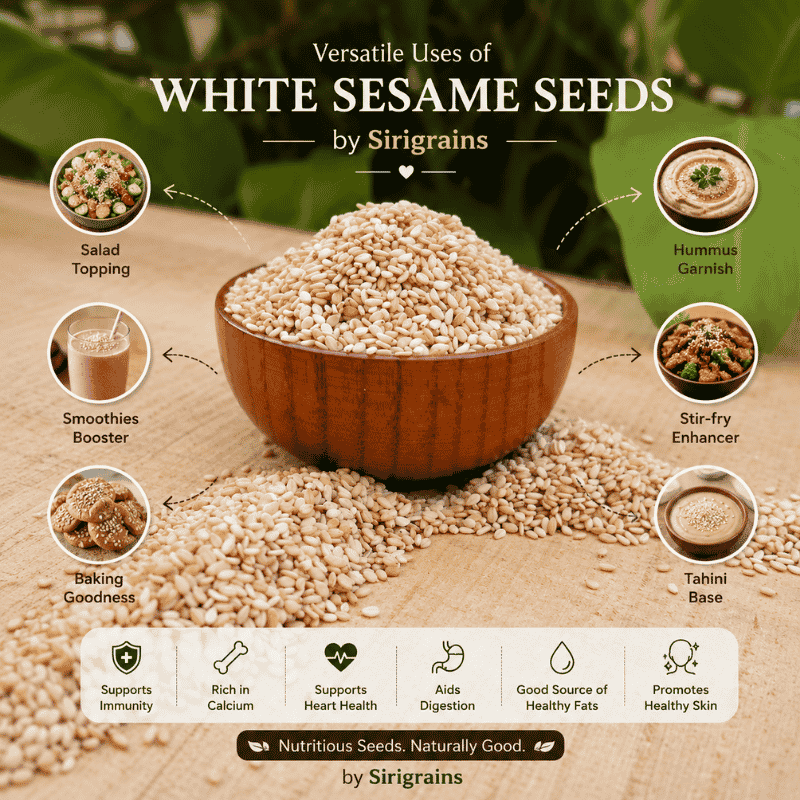
🍬 1. Til Ke Laddoo (Makar Sankranti Special)
The most popular sesame recipe in India. Dry roast white sesame seeds until golden and aromatic. In a separate pan, melt jaggery with a little water until it reaches soft-ball stage. Mix roasted seeds into hot jaggery. Add cardamom powder. Shape into laddoos while warm.
🌿 2. Til Chutney (South Indian Staple)
Dry roast 1/2 cup white sesame seeds until golden. Grind with 1/2 cup fresh coconut, 2-3 green chilies, 1 small piece tamarind, salt to taste. Temper with mustard seeds, curry leaves, and asafoetida. Serve with dosa, idli, or rice.
🥣 3. Til Powder (Postpartum & Daily Nutrition)
Dry roast white sesame seeds until aromatic. Cool completely. Grind to a fine powder. Mix 1-2 tablespoons with warm milk, jaggery, and cardamom. Traditional nourishment for new mothers; also excellent for children and elderly.
🍚 4. Sesame Seasoning
Dry roast white sesame seeds until golden. Grind coarsely. Mix with sea salt (5 parts sesame to 1 part salt). Sprinkle over rice, noodles, stir-fries, or salads.
🥗 5. Salad Topper & Garnish
Sprinkle raw or lightly toasted sesame seeds over green salads, grain bowls, or stir-fries for crunch and nutty flavor.
🍞 6. Baking – Breads, Cookies, Granola
Add raw sesame seeds to bread dough, cookie batter, or granola mixture before baking for nutrition, texture, and visual appeal.
Why Choose SiriGrains Premium White Sesame Seeds?
- 🌾 Hulled & Sun-Dried – Outer husk removed, naturally dried – no artificial processing
- ✨ Uniform Creamy White Color – No mixed colors, no brown specks, no grey seeds
- 🦴 Highest Plant Calcium (975mg/100g) – Unmatched for bone health
- 🩸 Rich in Iron (14.6mg/100g) – Supports anemia prevention
- 💚 High Oil Content (50-55%) – Sweet, nutty, rich taste
- 🛡️ Rich in Sesamin Lignans – Unique antioxidants for heart health
- 🌱 100% Natural, No Chemicals – No preservatives, no artificial colors
- 📦 Airtight, Resealable Packaging – Locks in freshness, prevents moisture
- ✅ FSSAI Certified Facility – Strict quality control standards
Storage Tips for Maximum Freshness
- 📦 Store in airtight container – Glass or steel containers are best
- 🌡️ Keep in cool, dark place – Away from sunlight, heat, and humidity
- ❄️ Refrigerate for longer storage – Raw seeds last up to 12 months in refrigerator
- 📋 Use within 6 months of opening – For best flavor and nutrient retention
- 🔥 Store roasted seeds separately – Roasted seeds have shorter shelf life (2-3 weeks) than raw seeds
Customer Reviews
⭐⭐⭐⭐⭐ “My bone density improved – doctor was surprised”
“I’m 58, post-menopausal, and my doctor was concerned about my bone density. I started eating 2 tablespoons of roasted sesame seeds daily (ground into powder, mixed with warm milk). At my next checkup, my DEXA scan showed improvement. My doctor asked what I changed. ‘Sesame seeds,’ I said. He nodded. Traditional wisdom works.” – Mrs. Usha R., Chennai
⭐⭐⭐⭐⭐ “The best til for Makar Sankranti laddoo”
“I make til ke laddoo every year for Sankranti. I’ve tried seeds from many sources. SiriGrains seeds are the best – uniform white color, sweet taste, no stones or dust. My laddoos came out perfect.” – Mrs. Meena S., Pune
⭐⭐⭐⭐⭐ “My hemoglobin is finally normal”
“I’ve struggled with low hemoglobin for years. Iron tablets upset my stomach. My grandmother suggested til chutney daily. I added it to my lunch. After 4 months, my hemoglobin is in the normal range. No more fatigue.” – Ms. Divya K., Bangalore
Frequently Asked Questions (FAQ)
Q1: How much calcium do sesame seeds actually have?
A1: Sesame seeds contain 975mg of calcium per 100g – the highest of any plant food. This is 8 times more than milk (120mg) and nearly 3 times more than ragi (344mg).
Q2: Are the seeds hulled or unhulled?
A2: Our seeds are hulled (white sesame seeds). The outer husk has been removed. Hulled seeds are easier to digest and have a milder, sweeter taste than unhulled (brown/black) sesame seeds.
Q3: Can I eat sesame seeds raw?
A3: Yes, raw sesame seeds are safe to eat. However, roasting improves their nutty flavor and may reduce oxalate content (improving calcium absorption). Traditional recipes almost always involve roasting.
Q4: Are sesame seeds good for bone health?
A4: Yes – sesame seeds are the highest plant source of calcium. Regular consumption supports bone density, prevents osteoporosis, and maintains dental health. Excellent for growing children, menopausal women, and elderly family members.
Q5: How many sesame seeds should I eat per day?
A5: 1-2 tablespoons (15-30g) per day is recommended. This provides 150-300mg of calcium – a significant contribution to your daily requirement.
Q6: Can sesame seeds help with anemia?
A6: Yes – sesame seeds contain 14.6mg of iron per 100g. Pair with Vitamin C-rich foods (lemon juice, amla, guava) to enhance absorption. The combination of iron, copper, and B-vitamins supports healthy hemoglobin production.
Q7: Are sesame seeds safe during pregnancy and breastfeeding?
A7: Yes – sesame seeds are traditionally consumed during pregnancy and postpartum in many Indian communities. They provide calcium (fetal bone development), iron (prevents pregnancy anemia), and healthy fats (energy). However, consume in moderation (1-2 tablespoons daily) and consult your doctor.
Q8: What is the difference between white, brown, and black sesame seeds?
A8: White sesame seeds are hulled (outer husk removed) – they have the mildest, sweetest taste. Brown and black sesame seeds have the husk intact – stronger, earthier flavor, higher fiber, but slightly more bitter.
Shopping & Delivery Information
- 📦 Free Shipping on orders above ₹599
- 🚚 Estimated Delivery: 3-5 business days (Bangalore: 2-3 days)
- 🔄 Easy Returns: 7-day return policy for unopened packages with seal intact
- 📞 Bulk Orders (5kg+): Call +91-7975740132 for wholesale pricing
Additional information
| Weight | N/A |
|---|---|
| Pack Size | 250gm, 500gm |
| Product Specifications | Form: Hulled seeds (outer husk removed), Color: Uniform creamy white, Processing: Sun-dried, mechanically cleaned, Purity: 99.9% seeds, no stones/dust, Oil Content: 50-55% (high), Taste: Sweet, nutty, rich, Shelf Life: 12 months (raw, refrigerated) |
| Nutritional Info (per 100g) | Calories: 573 kcal, Protein: 17g, Total Fat: 50g (healthy unsaturated), Carbohydrates: 23g, Dietary Fiber: 12g, Calcium: 975mg (Highest plant source!), Iron: 14.6mg, Magnesium: 351mg, Phosphorus: 629mg, Zinc: 7.8mg, Copper: 4.1mg, Manganese: 2.5mg, Vitamin B1 (Thiamine): 1.2mg, Vitamin B6: 0.8mg, Sesamin & Sesamolin: Unique antioxidant lignans |
| Health Benefits | Bone Health: Highest plant calcium (975mg/100g) prevents osteoporosis, supports dental health, Anemia Prevention: Iron (14.6mg/100g) supports hemoglobin production, Postpartum Recovery: Traditional food for new mothers (calcium, iron, healthy fats), Lactation Support: May help increase breast milk supply (traditional wisdom), Heart Health: Sesamin and sesamolin lignans support healthy cholesterol, Blood Pressure Control: Magnesium (351mg/100g) helps maintain healthy BP, Skin Health: Zinc and vitamin E support skin repair and collagen, Hair Health: Rich in nutrients that support hair growth and strength, Anti-inflammatory: Sesamin has documented anti-inflammatory properties, Antioxidant: Lignans protect cells from oxidative damage, Note: Clinical studies confirm that sesame seeds reduce oxidative stress and improve lipid profiles |
| Usage Ideas | Til Ke Laddoo: Mix roasted sesame seeds with jaggery/ghee – traditional Makar Sankranti sweet, Til Chutney: Dry roast, grind with coconut, green chilies, tamarind – South Indian staple, Til Powder: Dry roast, grind into fine powder – mix with jaggery for postpartum nutrition, Til Oil: Cold press for cooking oil (see our Wood Pressed Sesame Oil), Seasoning: Sprinkle over stir-fries, noodles, salads, Garnish: Add to biryani, pulao, or curries, Baking: Add to breads, cookies, granola bars, Smoothies: Blend into smoothies for calcium boost, Trail Mix: Combine with nuts, raisins, other seeds, Sprouted: Sprout sesame seeds for enhanced nutrition |
Upgrade to a Complete Wellness Bundle
Viewers Also Liked
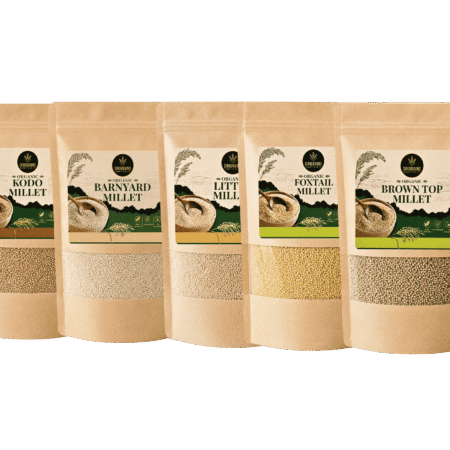
In stock
5.05 kg
₹1,166.00
Millet Combo Pack (5 Millets x 1kg), Complete 5 Millet Siridhanya Pack
SKU: SG-MCP-ORG-1KG
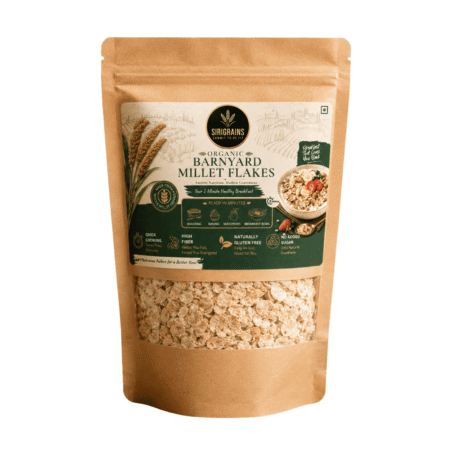
In stock
.6 kg
₹195.00
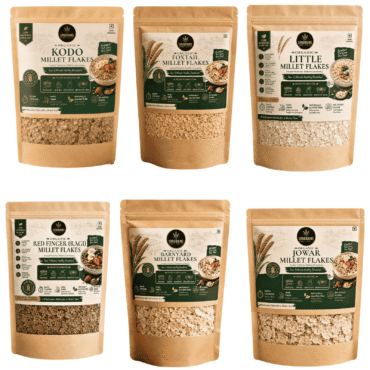
Organic Barnyard Millet Flakes (500g) – Instant Breakfast Cereal
SKU: SG-BM-FLK-500GM
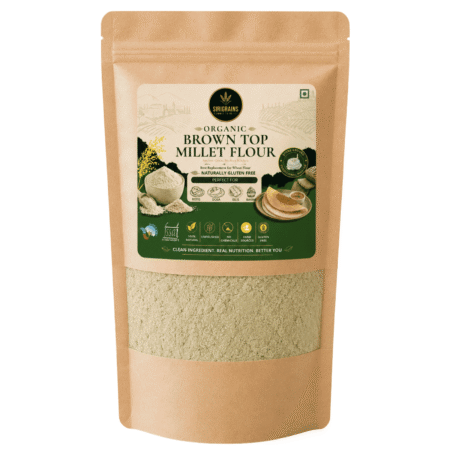
In stock
1.05 kg
₹280.00
Browntop Millet Flour (1kg) – Rare Positive Millet (Siridhanya)
SKU: SG-BT-FLR-1KG
In stock
1.05 kg
₹211.00
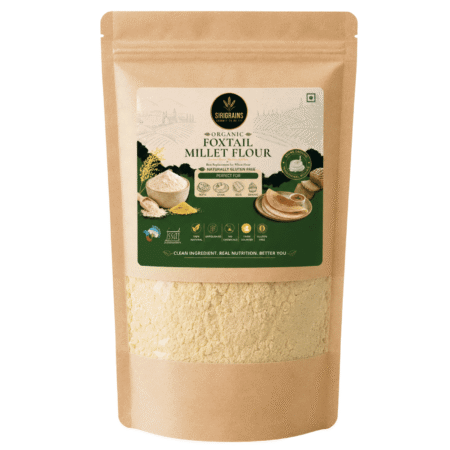
Foxtail Millet Flour 1kg, Stone-Ground Fine Flour for Roti, Dosa, Cookies
SKU: SG-FM-F-1KG
In stock
1.05 kg
₹112.00
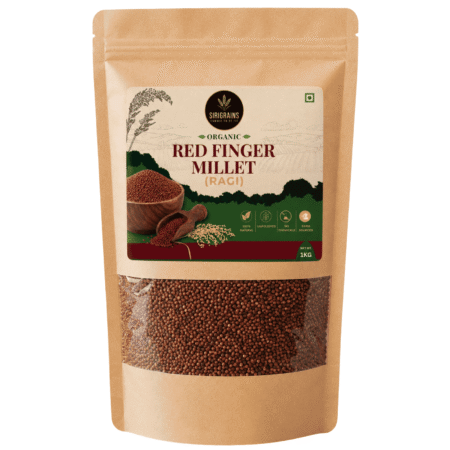
Red Finger Millet 1kg | Highest Calcium, (Ragi / Nachni)
SKU: SG-RFM-ORG-1KG
In stock
0.6 kg
₹147.00
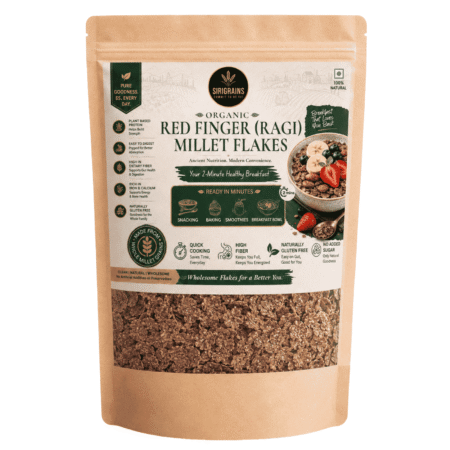
Organic Red Finger Millet Flakes (500g) – Instant Ragi Breakfast Cereal
SKU: SG-RF-FLK-500GM
In stock
1.05 kg
₹225.00
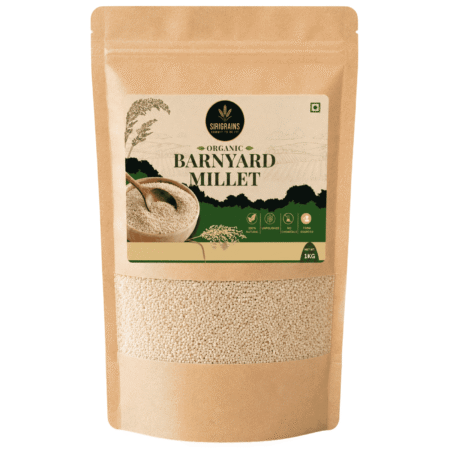
Barnyard Millet 1kg | Highest Fiber, Low Carb, (Sanwa / Samo)
SKU: SG-BM-ORG-1KG