Wood Pressed Mustard Oil (1L) Kachi Ghani Cold Pressed
₹949.00
Out of stock
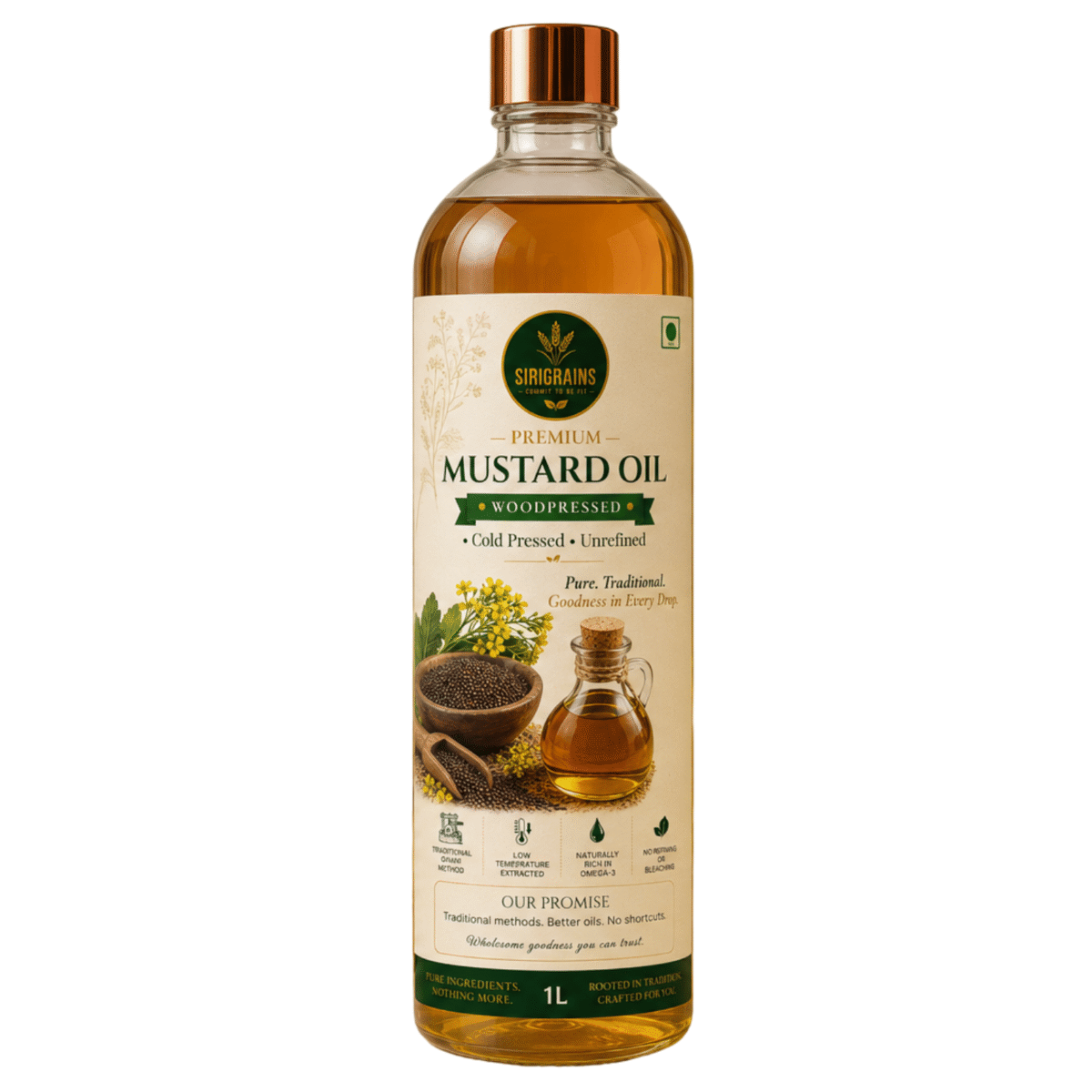
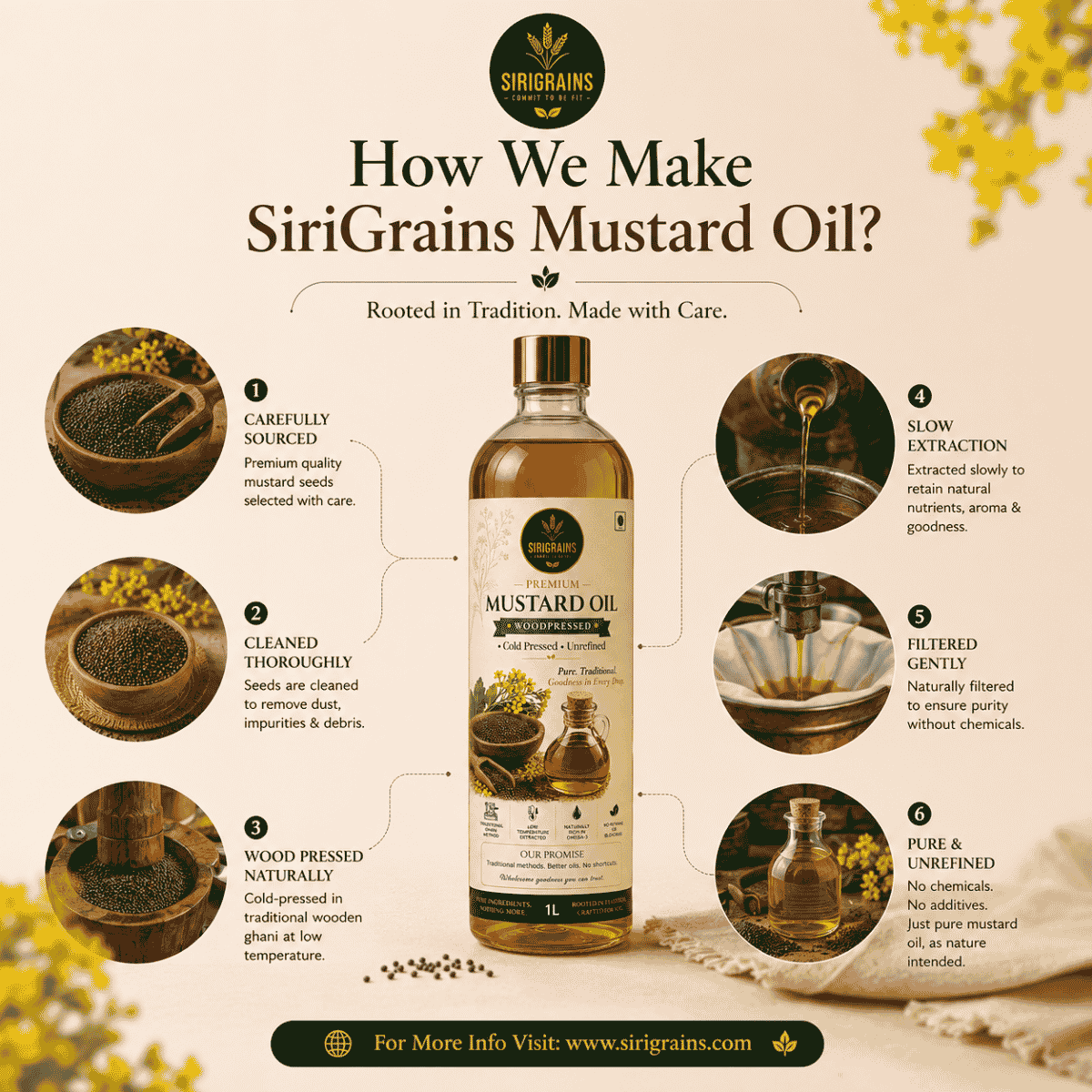
The oil that defines North & East Indian cuisine – with that authentic pungent “kick” that refined oils can’t match. SiriGrains Wood Pressed Mustard Oil is made using the traditional kachi ghani (wooden press) method at below 40°C, preserving the natural allyl isothiocyanate that gives mustard oil its characteristic pungency and health benefits. No heat, no chemicals, no refining – just pure, potent mustard oil for your kitchen.
WHY KACHI GHANI MUSTARD OIL IS SPECIAL:
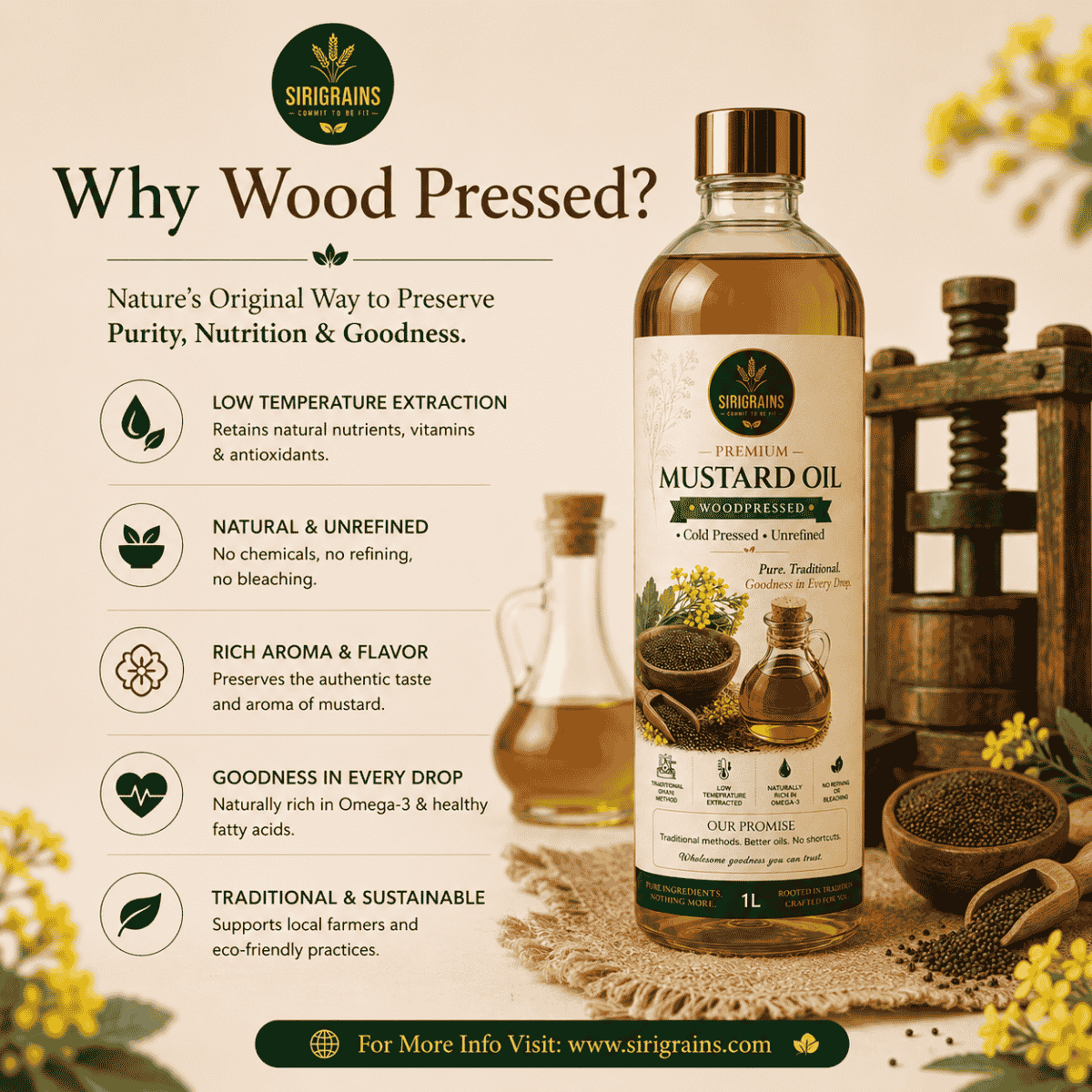
- Traditional Kachi Ghani/Lakdi Ghani – Extracted below 40°C, preserving natural pungency
- No Chemicals, No Refining – No hexane, no bleaching, no deodorizing
- Authentic Pungency (Allyl Isothiocyanate) – The “kick” that defines North/East Indian food
- Rich in Omega-3 (ALA) – 11-12% – Highest among cooking oils for heart health
- Natural Antibacterial & Antifungal – Traditional preservative for pickles
- Winter Warming Properties – Increases circulation, keeps body warm
- Ayurvedic Massage Oil – Traditional abhyanga oil for Vata balance
- Essential for Pickles (Achaar) – Natural preservative, authentic flavor
- 100% Unrefined | No Preservatives | FSSAI Certified
📋 Available in: 500ml (Trial) | 1L (Family Pack)
🚚 Free Shipping on orders above ₹599 |🔒100% Secure Checkout
Out of stock
Categories
BestsellerFeaturedOnsaleNewest
In stock
5.05 kg
₹1,166.00
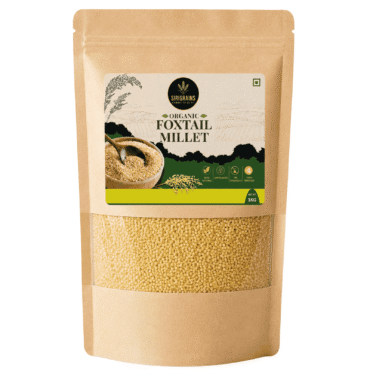
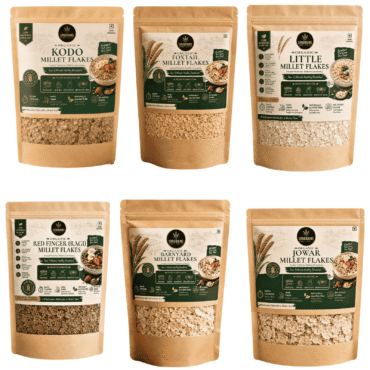
Millet Combo Pack (5 Millets x 1kg), Complete 5 Millet Siridhanya Pack
SKU: SG-MCP-ORG-1KG
In stock
1.05 kg
₹99.00
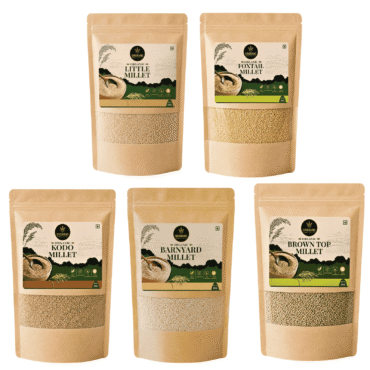
Foxtail Millet 1kg | Low GI, High Fiber, (Kangni / Navane)
SKU: SG-FM-ORG-1KG
In stock
2.56 kg
₹599.00
Siridhanya Combo Pack (5 Positive Millets x 500g) – Khader Vali Millets
SKU: SG-MCP-ORG-500gm
In stock
1.05 kg
₹225.00
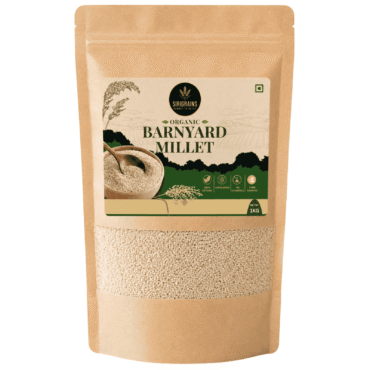
Barnyard Millet 1kg | Highest Fiber, Low Carb, (Sanwa / Samo)
SKU: SG-BM-ORG-1KG
In stock
1.05 kg
₹180.00
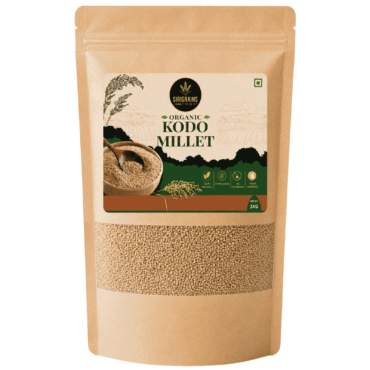
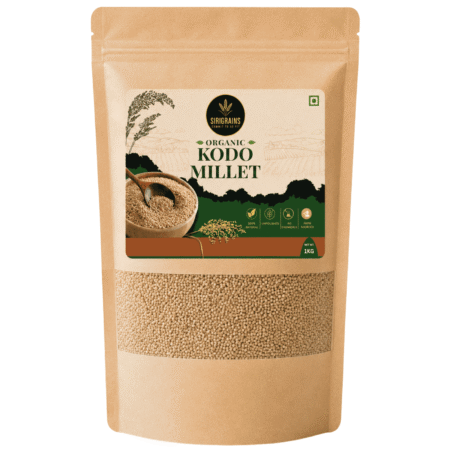
Kodo Millet 1kg, Prebiotic Rich, Gut Health Grain, (Kodra / Varagu)
SKU: SG-KM-ORG-1KG

Estimated Delivery:
Oct 28 Nov 01
people
are viewing this right now
Description
Why Kachi Ghani Mustard Oil is the Soul of North & East Indian Cooking
Mustard oil is not just a cooking medium – it’s a flavor that defines entire cuisines. From the iconic sarson da saag of Punjab to the maacher jhol (fish curry) of Bengal, mustard oil provides that unmistakable pungent “kick” that no other oil can replicate. In pickles (achaar), it acts as a natural preservative, allowing mangoes and lemons to be stored for months without refrigeration.
SiriGrains brings you wood pressed mustard oil (kachi ghani) – extracted using the traditional wooden press (lakdi ghani) at below 40°C. This low-temperature process preserves the natural allyl isothiocyanate – the compound responsible for mustard oil’s characteristic pungency and its antibacterial, antifungal properties. No heat, no chemicals, no refining. Just pure, potent mustard oil for your family’s health and authentic cooking.
The Kachi Ghani Difference: Why Traditional Processing Matters
In Hindi, “Kachi Ghani” literally means “cold pressed” – referring to the traditional wooden press (lakdi ghani) method. This gentle extraction process is fundamentally different from commercial refining:
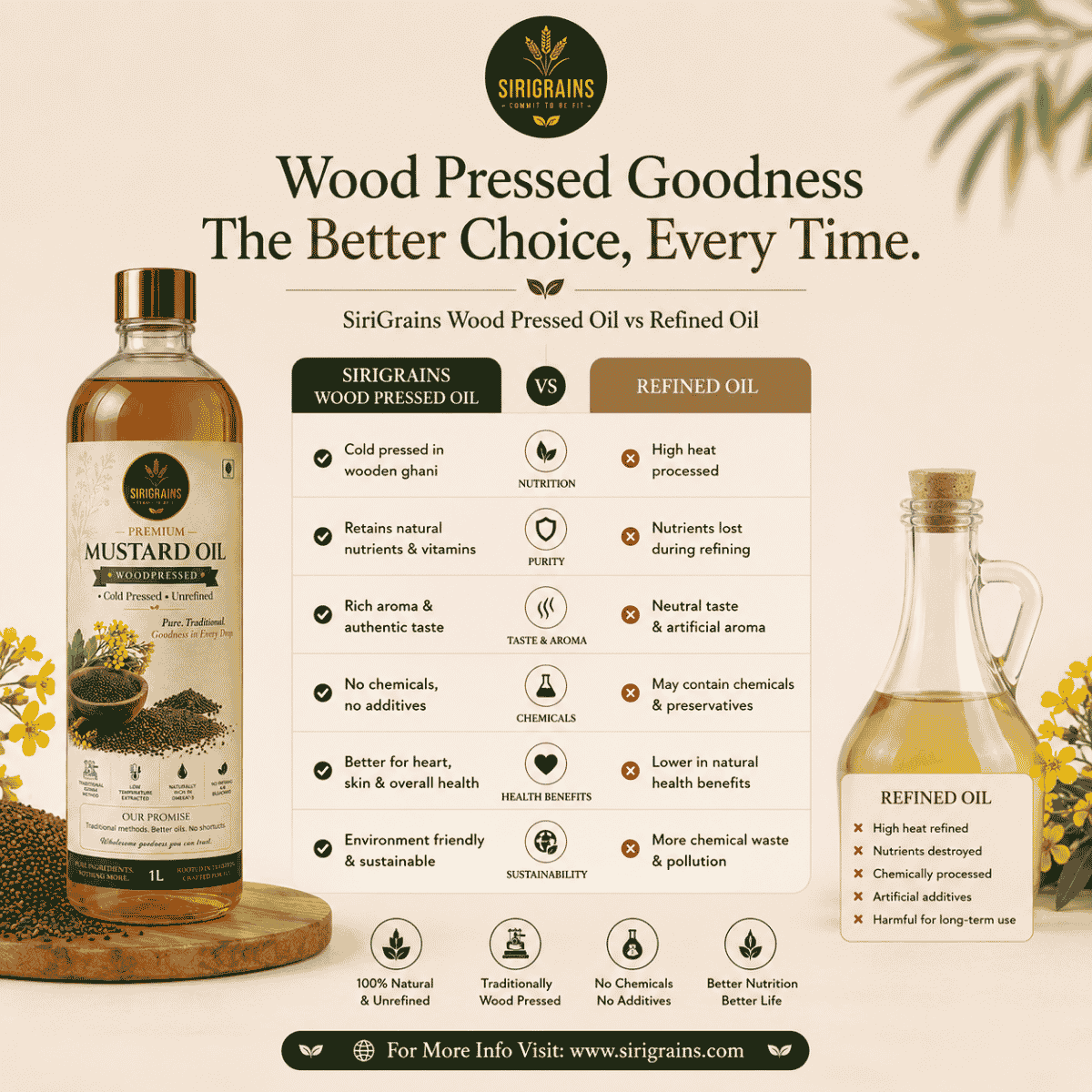
- Temperature: Below 40°C (wood pressed) vs 150-200°C (refined)
- Pungency: Fully preserved vs destroyed by heat
- Nutrients: 100% intact vs 85-90% lost
- Chemicals: None vs hexane, bleaching agents
- Taste: Authentic, sharp, peppery vs neutral, bland
Health Benefits of Wood Pressed Mustard Oil (Science-Backed)
1. Rich in Omega-3 (ALA) – Highest Among Cooking Oils
Mustard oil contains 11-12% Alpha-Linolenic Acid (ALA) – an essential omega-3 fatty acid. This is the highest concentration among all common cooking oils (olive oil has ~1%, groundnut oil ~0%). ALA has been shown to support heart health, reduce inflammation, and improve cognitive function.
2. Natural Antibacterial & Antifungal (Allyl Isothiocyanate)
The pungent compound in mustard oil – allyl isothiocyanate – has scientifically proven antibacterial and antifungal properties. This is why traditional Indian pickles (achaar) use mustard oil as a preservative – it naturally inhibits the growth of harmful microorganisms. Research has shown its effectiveness against E. coli, Salmonella, and various fungi.
3. Cardioprotective Properties (Heart Health)
Multiple studies have demonstrated that mustard oil consumption is associated with reduced risk of cardiovascular disease. The combination of omega-3 fatty acids, monounsaturated fats, and natural antioxidants supports heart health by reducing inflammation and improving cholesterol profiles.
4. Anti-Inflammatory Effects (Glucosinolates)
Mustard oil contains glucosinolates – sulfur-containing compounds that break down into isothiocyanates. These compounds have demonstrated anti-inflammatory properties and may help reduce joint pain and arthritis symptoms when used both internally and externally.
5. Winter Warming Properties (Traditional Wisdom)
In North India, mustard oil consumption increases dramatically during winter months. The oil is believed to generate heat in the body, improve blood circulation, and keep the body warm. Applied externally, warm mustard oil massage is a traditional remedy for joint pain and stiffness in cold weather.
6. Ayurvedic Massage Oil (Abhyanga)
In Ayurveda, mustard oil is classified as “Ushna” (hot) and is specifically recommended for Vata dosha balance. Warm mustard oil massage (abhyanga) is believed to improve circulation, reduce muscle stiffness, nourish the skin, and promote relaxation.
Wood Pressed Mustard Oil vs Refined Mustard Oil
| Parameter | Kachi Ghani (Our Oil) | Refined Mustard Oil |
|---|---|---|
| Extraction Temperature | Below 40°C | 150-200°C+ |
| Allyl Isothiocyanate (Pungency) | Fully Preserved (the “kick”) | Destroyed by heat |
| Omega-3 (ALA) Content | 11-12% (Intact) | Reduced by heat |
| Chemicals Used | None (mechanical press only) | Hexane, bleaching agents, deodorizers |
| Aroma | Strong, pungent, characteristic | Neutralized (deodorized) |
| Taste | Sharp, peppery, hot | Bland, neutral |
| Smoke Point | ~250°C (Excellent for frying) | ~250°C |
Regional Cuisines That Depend on Mustard Oil
| Region | Iconic Dish | Why Mustard Oil is Essential |
|---|---|---|
| Punjab | Sarson da saag + makki di roti | The pungency balances the richness of saag and butter |
| Bengal | Maacher jhol (fish curry) | Mustard oil + mustard paste = signature Bengali flavor |
| UP/Bihar | Pickles (Achaar) | Natural preservative & authentic flavor |
| Rajasthan | Ker sangri, bajra roti | Traditional desert cuisine uses mustard oil |
| Assam | Pork curry with bamboo shoot | Essential for Northeast Indian cooking |
How to Use Wood Pressed Mustard Oil (6 Traditional Ways)
1. Sarson Da Saag (Punjabi Winter Delicacy)
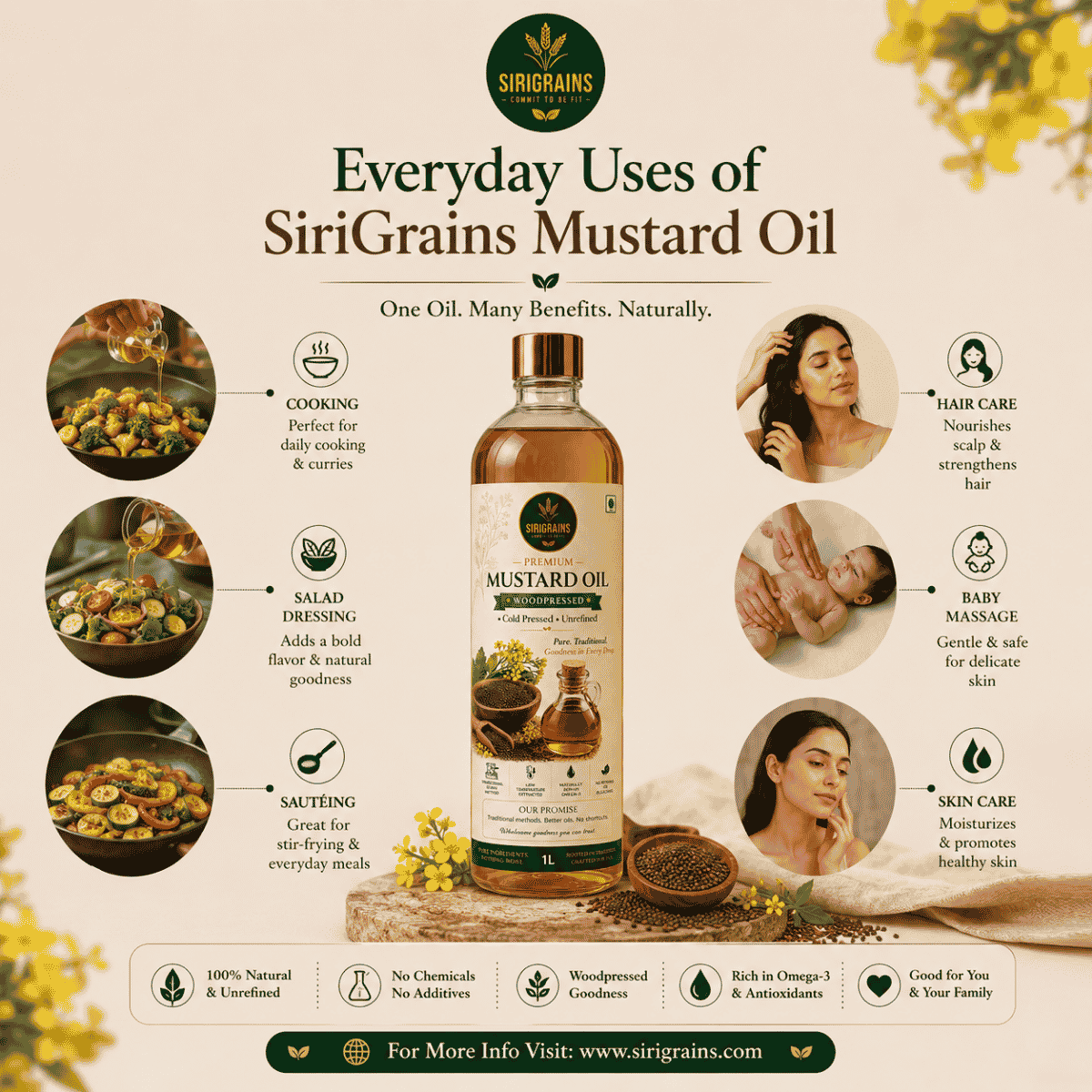
The dish that defines Punjabi cuisine. Mustard oil is used both for cooking the saag and as a finishing drizzle (with garlic, green chilies, and ginger). The pungency of fresh kachi ghani oil is essential for authentic flavor.
Recipe Tip: After cooking sarson da saag, heat 2 tbsp mustard oil in a small pan. Add 4-6 crushed garlic cloves, 2 chopped green chilies, 1 inch grated ginger. Fry until garlic is golden. Pour over saag. The aroma is unmatched.
2. Bengali Fish Curry (Maacher Jhol)
The soul of Bengali everyday cooking. Mustard oil + mustard paste (shorshe bata) creates the signature pungent, slightly bitter, deeply satisfying flavor of Bengali fish curry. Use fresh mustard oil for best results.
Recipe Tip: For shorshe bata, soak 2 tbsp black mustard seeds in warm water for 15 minutes. Grind with 2 green chilies and a pinch of salt. Fry in mustard oil before adding fish.
3. Indian Pickles (Achaar)
Traditional preservative and flavor base. Mustard oil’s natural antibacterial properties allow pickles to be stored at room temperature for months. Always use wood pressed/kachi ghani oil – refined oil lacks the antimicrobial properties.
Recipe Tip: For mango pickle, heat mustard oil until it just begins to smoke (250°C). Cool completely. This removes the raw taste while preserving the pungency. Then mix with spices, mango pieces, and more raw mustard oil.
4. Tadka/Tempering for Dals & Curries
Mustard oil tadka adds a distinct pungent aroma to dals, curries, and vegetables. Unlike other oils that simply carry flavors, mustard oil contributes its own characteristic character to the dish.
Recipe Tip: Heat mustard oil until smoking. Add cumin seeds, asafoetida (hing), dried red chilies, curry leaves. Pour over dal or curry. The high smoke point (~250°C) means the oil won’t degrade.
5. Winter Body Massage (Ayurvedic Abhyanga)
Warm mustard oil massage is a traditional winter practice in North India. The oil increases circulation, warms the body, and helps relieve joint pain and stiffness.
How to use: Warm the oil gently (do not boil). Massage from scalp to toes with firm strokes. Leave for 15-30 minutes. Bathe with warm water. Best done daily during winter months.
6. Hair & Scalp Treatment
Mustard oil has been used for centuries in India to promote hair growth, reduce dandruff, and improve scalp health. The antibacterial properties help fight scalp infections, while the warming effect improves blood circulation to hair follicles.
How to use: Warm mustard oil slightly. Massage into scalp and through hair. Leave for 30 minutes to overnight. Wash with mild shampoo. Use once or twice weekly.
Signs of Purity: What to Expect from Real Kachi Ghani Mustard Oil
- 🌿 Strong, pungent aroma – Will make your eyes water slightly when you open the bottle (this is normal!)
- 🔥 Sharp, peppery taste – The “kick” that defines authentic North/East Indian food
- 💛 Golden yellow to amber color – Not pale or colorless like refined oil
- 📋 Natural sediment at the bottom – A sign of minimal processing; shake before use
- 🧪 Solidifies in extreme cold – Below 5°C, it may become cloudy or partially solid (natural)
A Note on Erucic Acid (Important Information)
Mustard oil naturally contains 40-45% erucic acid – a monounsaturated omega-9 fatty acid. This is the same concentration found in traditional mustard oil consumed in India for centuries. In the 1970s, animal studies raised concerns about erucic acid, leading to restrictions in some Western countries. However:
- These studies used extremely high doses not relevant to normal human consumption
- Humans metabolize erucic acid differently than the animals studied
- Millions of Indians have consumed mustard oil daily for generations without health issues
- Mustard oil is legally approved for cooking in India, Bangladesh, Pakistan, and Nepal
- In the US and EU, mustard oil is sold for external use (massage) – but the same oil is safe for cooking in India
SiriGrains’ position: We follow Indian FSSAI standards, which approve mustard oil for cooking. Mustard oil has been a traditional part of Indian cuisine for centuries, and we believe in respecting this traditional wisdom.
Why Choose SiriGrains Wood Pressed Mustard Oil?
- 🌾 Single-Origin Mustard Seeds – Sourced from Rajasthan and Uttar Pradesh farmers
- ⚙️ Authentic Kachi Ghani/Lakdi Ghani – Traditional wooden press, not steel expellers
- 🧪 Batch Tested – Each batch checked for purity, pungency, and quality
- 📦 Amber Glass Bottle – No plastic leeching, preserves freshness and pungency
- 🔬 Dr. Khader Recommended – Bull-driven wooden ghani oils
- ✅ FSSAI Certified Facility – Strict quality control standards
- 🌿 Zero Chemicals, Zero Preservatives – 100% pure mustard oil
Storage Tips for Wood Pressed Mustard Oil
- 📦 Store in glass or steel containers – Plastic can leech into oil and affect the pungency
- 🌡️ Keep in cool, dark place – Away from sunlight and heat
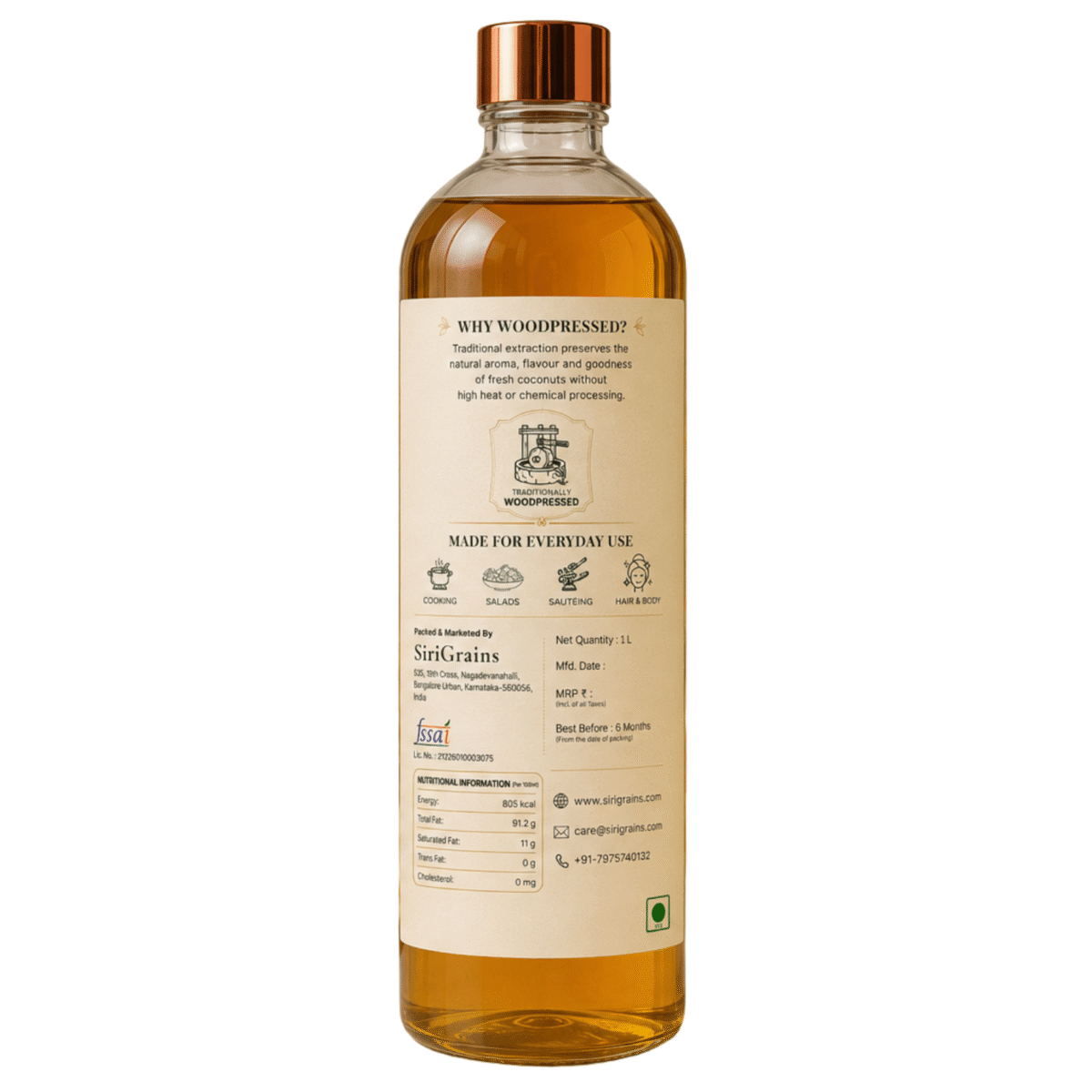
- 📋 Shelf life: 9 months from pressing date
- 🔄 Shake before use – Natural sediment may settle at the bottom
- ❄️ No refrigeration needed – May become cloudy or partially solid in extreme cold; bring to room temperature
Frequently Asked Questions (FAQ)
Q1: What is kachi ghani mustard oil?
A1: “Kachi Ghani” literally means “cold pressed” in Hindi. It refers to the traditional method of extracting mustard oil using a wooden press (lakdi ghani) at low temperature (below 40°C). This preserves the natural pungency (allyl isothiocyanate) and nutrients of the mustard seeds.
Q2: Why is my mustard oil so pungent? Is it supposed to be this strong?
A2: Yes! The strong, pungent aroma that may make your eyes water is the allyl isothiocyanate – the compound that gives mustard oil its characteristic “kick.” This pungency is a sign of purity and quality. Refined mustard oil has this compound destroyed by heat, making it bland and neutral.
Q3: Can I use this oil for deep frying?
A3: Absolutely. Wood pressed mustard oil has a very high smoke point of approximately 250°C – one of the highest among cooking oils. This makes it excellent for deep frying pakoras, vadas, puris
Additional information
| Weight | 1.2 kg |
|---|---|
| Extraction Method | Type: Traditional Kachi Ghani (Wooden Press/Lakdi Ghani), Temperature: Below 40°C (Cold Pressed), Chemicals: None – 100% mechanical, Filtration: Natural sedimentation + cotton cloth, Preservatives: None, Oil Type: Unrefined, virgin (first press) |
| Fatty Acid Profile | Omega-3 (ALA): 11-12% (Highest among cooking oils), Omega-6 (Linoleic): 15-20%, Omega-9 (Oleic): 30-35%, Erucic Acid: 40-45% (natural, traditional), Allyl Isothiocyanate: Natural pungent compound (antibacterial), Glucosinolates: Anti-inflammatory compounds, Vitamin E: Natural antioxidant |
| Cooking & Traditional Uses | Punjabi Cuisine: Sarson da saag, makki di roti, Bengali Cuisine: Fish curry (maacher jhol), shorshe bata, Pickling (Achaar): Natural preservative, authentic flavor, Tadka/Tempering: Adds distinct pungent aroma, Winter Cooking: Warming properties, Deep Frying: High smoke point ~250°C, Ayurvedic Massage: Abhyanga for Vata balance, Hair Oil: Promotes scalp health, reduces dandruff |
| Product Specifications | Color: Golden yellow to amber, Aroma: Strong, pungent, characteristic mustard, Taste: Sharp, peppery, hot (from allyl isothiocyanate), Smoke Point: ~250°C (very high, excellent for frying), Storage: Cool, dark place in glass/steel container, Shelf Life: 9 months from pressing date, Container: Amber glass bottle (blocks light, preserves freshness), Note: The pungency indicates purity – refined mustard oil lacks this |
Viewers Also Liked
In stock
1.05 kg
₹180.00
Kodo Millet 1kg, Prebiotic Rich, Gut Health Grain, (Kodra / Varagu)
SKU: SG-KM-ORG-1KG
In stock
₹250.00
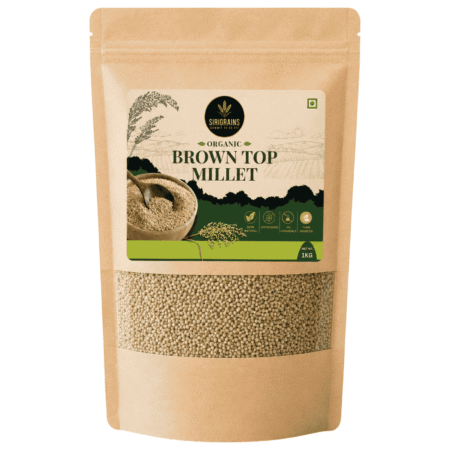
Brown Top Millet 1kg, Rare Iron-Rich Grain, (Hari Kangni / Korale)
SKU: SG-BTM-ORG-1KG
In stock
1.05 kg
₹112.00
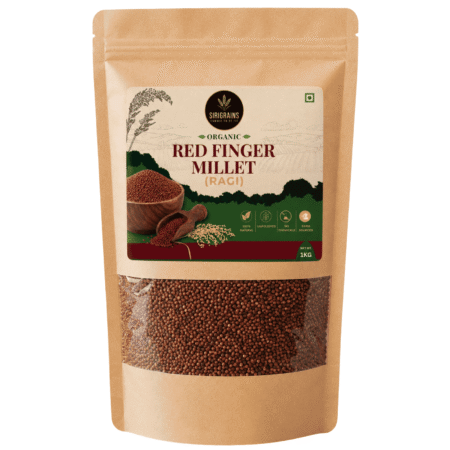
Red Finger Millet 1kg | Highest Calcium, (Ragi / Nachni)
SKU: SG-RFM-ORG-1KG
In stock
.6 kg
₹195.00
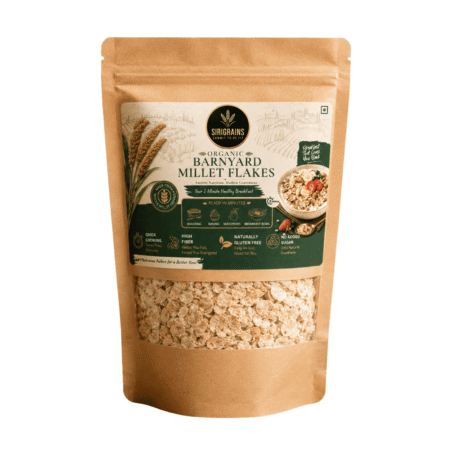
Organic Barnyard Millet Flakes (500g) – Instant Breakfast Cereal
SKU: SG-BM-FLK-500GM
In stock
1.05 kg
₹160.00
Khapli Atta 1kg, Ancient Grain, Stoneground Emmer Wheat Flour
SKU: SG-EW-1KG