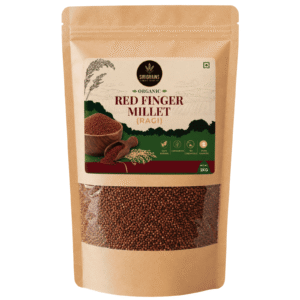
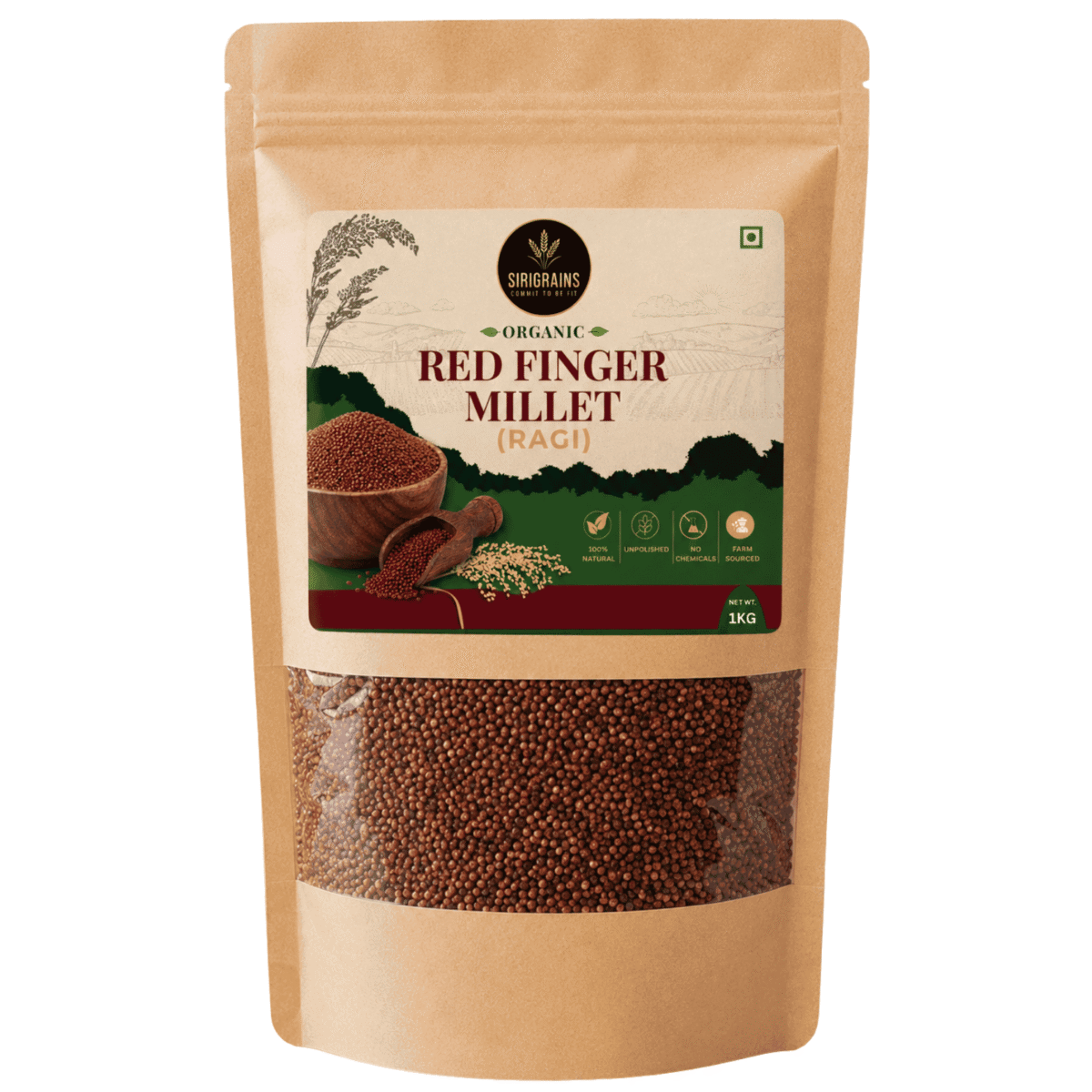
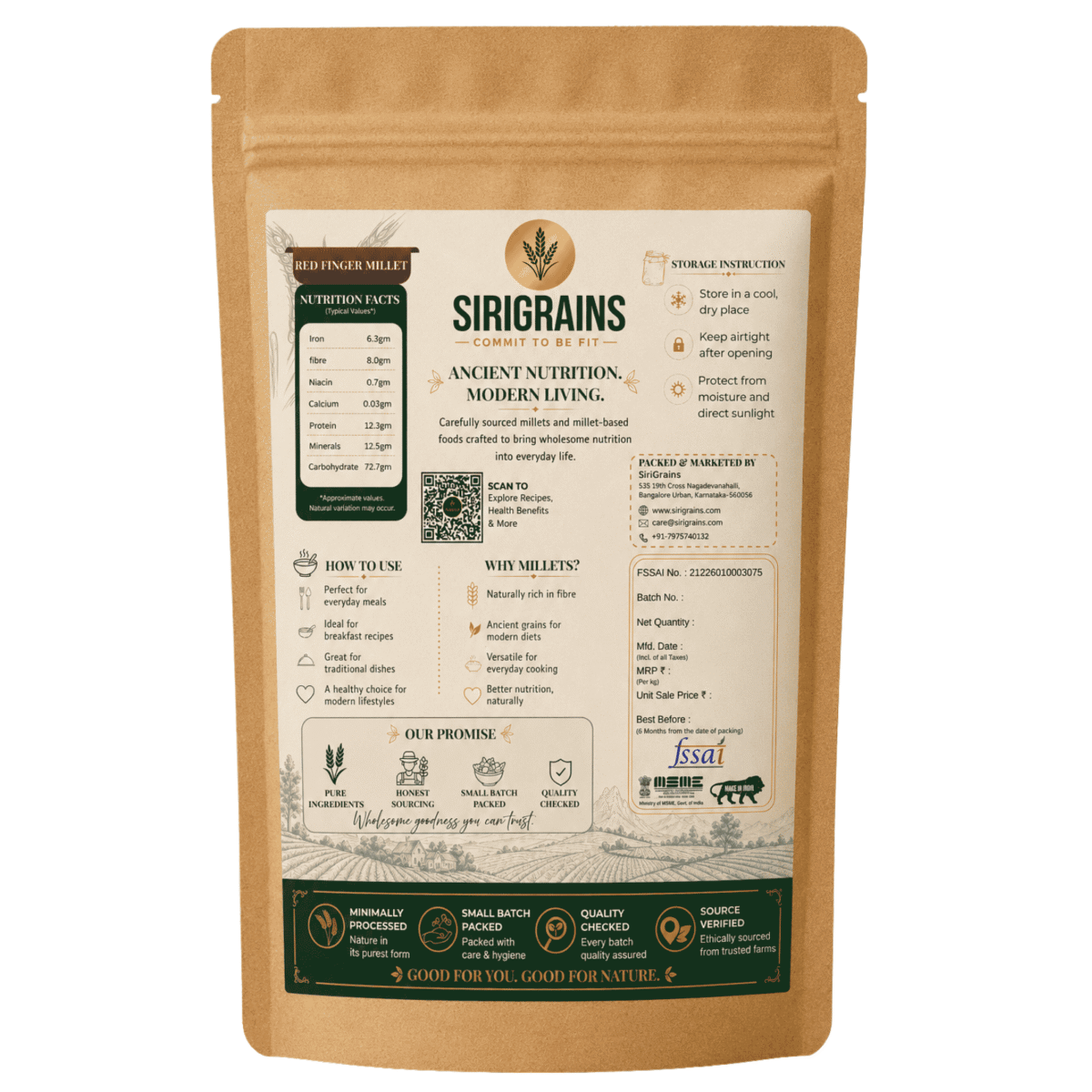
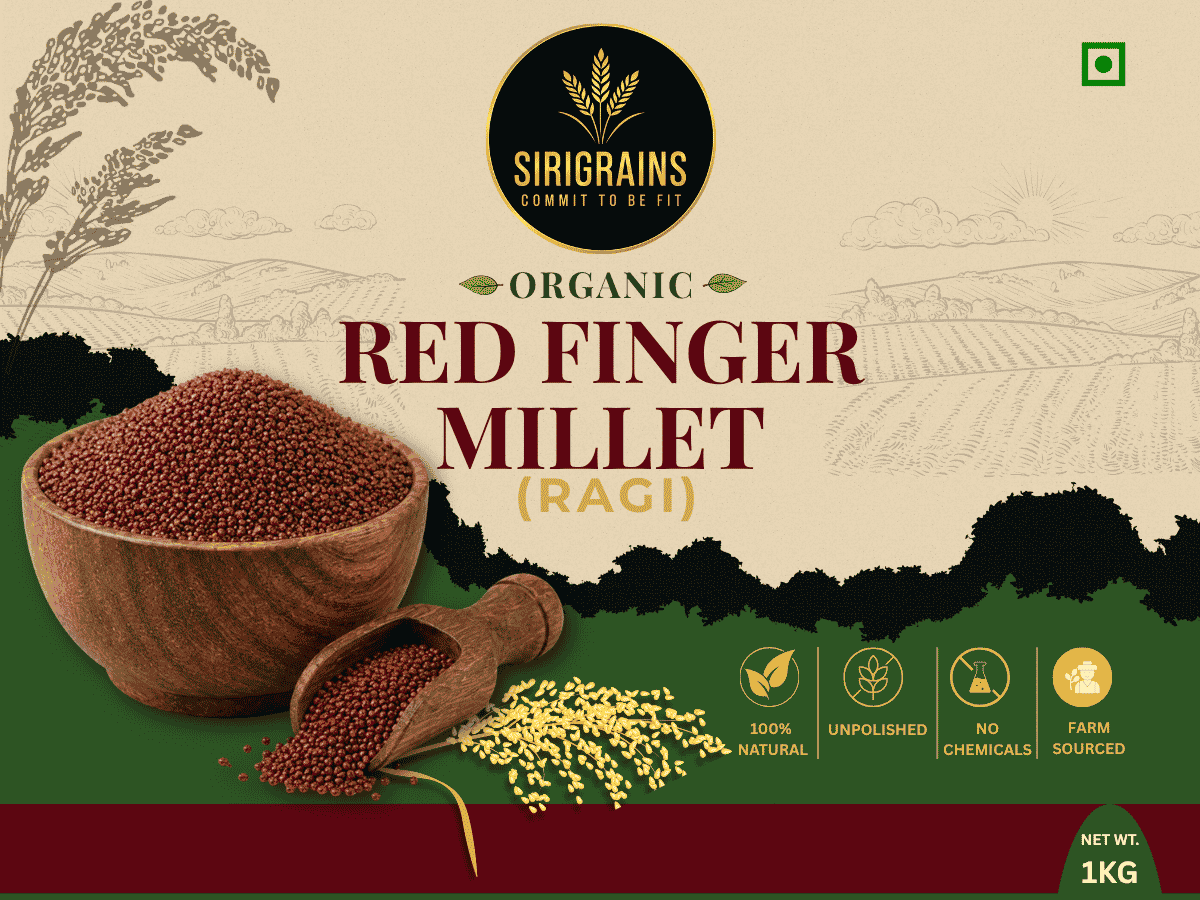
Red Finger Millet 1kg | Highest Calcium, (Ragi / Nachni)
₹112.00
Why do 5,000 years of Indian tradition recommend Ragi as the first food for babies AND the daily grain for grandparents? Because Red Finger Millet (Ragi/Nachni) contains the HIGHEST calcium among all cereals – 344-370mg per 100g – that’s over 10 times more than brown rice! But that’s just the beginning. Ragi is also rich in methionine (an amino acid missing in other grains), packed with iron for anemia prevention, and loaded with polyphenols that fight diabetes and heart disease[citation:1].
- Highest Calcium (344-370mg/100g) – #1 cereal for bones & teeth
- Complete Protein with Methionine – Amino acid missing in other starchy meals[citation:1]
- Baby’s First Food – Traditionally recommended for weaning infants
- High Iron (15-20mg/100g) – Fights anemia, boosts hemoglobin
- Potassium Rich (408mg/100g) – Controls blood pressure naturally
- Anti-Diabetic Polyphenols – Lowers blood sugar, improves insulin sensitivity[citation:1]
- 100% Unpolished & Double-Cleaned – No chemicals
- Gluten-Free & Easy to Digest – Safe for celiac, gentle on stomach[citation:1]
- FSSAI Certified – Direct from Karnataka farms (India’s #1 Ragi producer)
🚚 Free Shipping on orders above ₹599 | 🔒100% Secure Checkout | ⭐ “My baby’s pediatrician recommended Ragi” – Customer Review
This item: Red Finger Millet 1kg | Highest Calcium, (Ragi / Nachni)
₹112.00
₹112.00
Categories
BestsellerFeaturedOnsaleNewest
In stock
5.05 kg
₹1,166.00
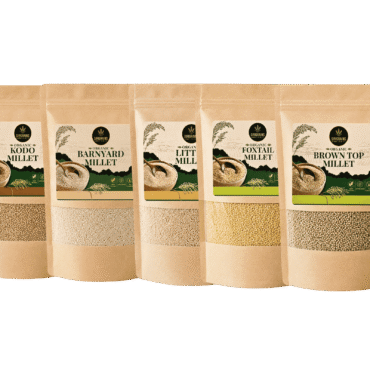
Millet Combo Pack (5 Millets x 1kg), Complete 5 Millet Siridhanya Pack
SKU: SG-MCP-ORG-1KG
In stock
1.05 kg
₹99.00
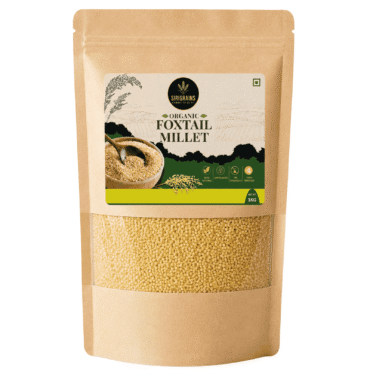
Foxtail Millet 1kg | Low GI, High Fiber, (Kangni / Navane)
SKU: SG-FM-ORG-1KG
In stock
2.56 kg
₹599.00
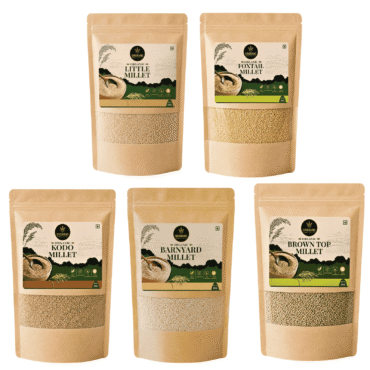
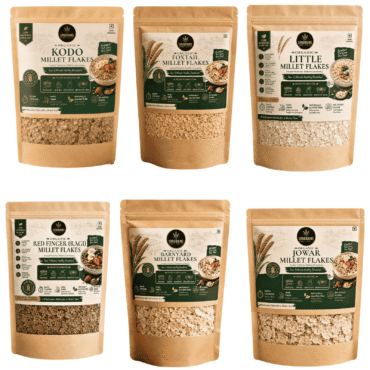
Siridhanya Combo Pack (5 Positive Millets x 500g) – Khader Vali Millets
SKU: SG-MCP-ORG-500gm
In stock
1.05 kg
₹225.00
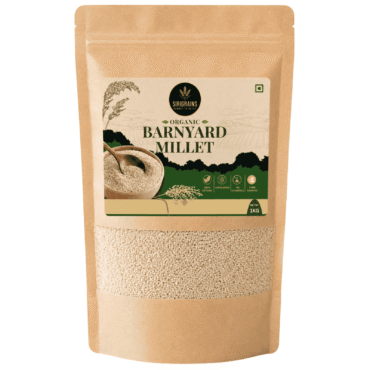
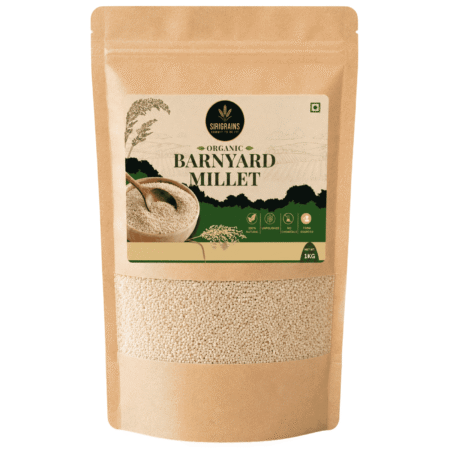
Barnyard Millet 1kg | Highest Fiber, Low Carb, (Sanwa / Samo)
SKU: SG-BM-ORG-1KG
In stock
1.05 kg
₹180.00
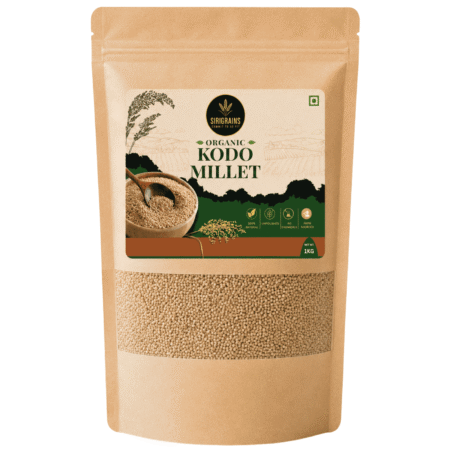
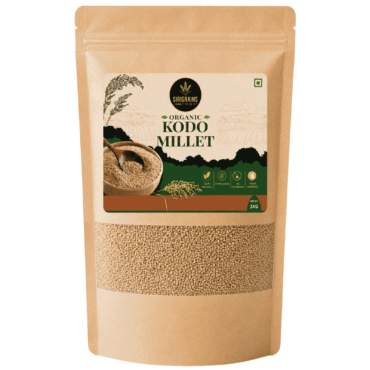
Kodo Millet 1kg, Prebiotic Rich, Gut Health Grain, (Kodra / Varagu)
SKU: SG-KM-ORG-1KG

Estimated Delivery:
Oct 28 Nov 01
people
are viewing this right now
Description
Why Red Finger Millet (Ragi) is India’s Most Trusted Superfood
Red Finger Millet, known as Ragi in Kannada and Hindi, Nachni in Marathi, and Kezhvaragu in Tamil, has been a dietary cornerstone of South India for over 5,000 years[citation:5]. Unlike other millets that are relatively new to many households, Ragi has always been the go-to grain for health-conscious families – from new mothers feeding their babies to grandparents maintaining bone strength.
Today, Karnataka produces 58% of India’s total Ragi, making SiriGrains’ sourcing directly from local farms a matter of pride[citation:2]. SiriGrains brings you traditionally grown, unpolished Red Finger Millet – no middlemen, no chemicals, no compromise.
Why Ragi is the Most Nutrient-Dense Cereal
When compared to all other cereals and millets, Ragi stands alone. A scientific review published in Nutritional Composition and Health Related Functional Properties of Eleusine coracana confirms that finger millet exhibits:
- Higher antioxidant activity than rice varieties[citation:4]
- Superior alpha-amylase inhibitory activity (helps control blood sugar)[citation:4]
- Exceptional polyphenol and dietary fiber content[citation:1]
Scientific Health Benefits of Red Finger Millet (Backed by Research)
1. Highest Calcium Content – For Bone Health (344-370mg/100g)
This is Ragi’s #1 superpower. Ragi contains 344-370mg of calcium per 100g – the highest among all cereals and millets[citation:1][citation:2][citation:10]. For comparison:
- Ragi: 344-370mg ✅
- Brown rice: 33mg (10x less)
- Wheat: 41mg (9x less)
- Milk: 125mg (3x less per 100ml)
Regular Ragi consumption helps prevent osteoporosis, strengthens teeth, supports bone development in children, and maintains bone density in aging adults[citation:5].
2. Complete Protein with Methionine – Unique Among Grains
Ragi contains important amino acids – isoleucine, leucine, methionine, and phenylalanine – which are NOT present in other starchy meals like rice and wheat[citation:1][citation:10]. Methionine, in particular, is typically found in eggs, meat, and fish – making Ragi an invaluable protein source for vegetarians and vegans.
3. Anti-Diabetic Properties – Polyphenols & Fiber
Scientific research confirms that due to its high content of polyphenols and dietary fiber, Ragi exhibits anti-diabetic properties[citation:1][citation:4]. The alpha-amylase inhibitory activity in Ragi helps prevent rapid glucose absorption, keeping blood sugar stable[citation:4].
4. High Iron Content – For Anemia Prevention (15-20mg/100g)
Ragi is a great source of iron, making it beneficial for individuals with low hemoglobin levels[citation:1][citation:10]. Regular consumption helps:
- Prevent and treat iron-deficiency anemia
- Improve energy levels and reduce fatigue
- Support healthy pregnancy outcomes
- Promote cognitive development in children
5. Highest Potassium (408mg/100g) – For Heart Health
Ragi has an high potassium content of 408mg per 100g[citation:1][citation:10]. Potassium is essential for:
- Maintaining healthy blood pressure
- Reducing risk of heart disease and stroke
- Supporting proper muscle and nerve function
6. Antioxidant & Antimicrobial Properties
Ragi exhibits antioxidant and antimicrobial properties due to its polyphenol content[citation:1][citation:4]. Scientific studies show that Ragi protects against:
- Tumor formation[citation:1]
- Atherosclerosis (narrowing and hardening of blood vessels)[citation:1]
- Cellular damage from free radicals
7. Easy to Digest – Perfect for Babies & Elderly
Being low in fat and naturally gluten-free, Ragi is easy to digest[citation:1][citation:10]. This is why it’s traditionally given as first food to babies in the form of ragi porridge[citation:1]. It’s equally beneficial for elderly family members with sensitive digestion.
8. Is Ragi Gluten-Free?
Yes, Ragi is naturally gluten-free. It’s safe for celiac disease, gluten sensitivity, and those following a gluten-free diet[citation:1][citation:7].
Red Finger Millet (Ragi) vs Other Grains (Comparison Table)
Calcium (mg)344-370 (Highest by far)334147Iron (mg)15-201.51.51.5Potassium (mg)408 (Highest)77100239Protein (g)7.62.77.54.4Dietary Fiber (g)3-70.42.52.8Glycemic Index54-68 (Low-Medium)50-556953Gluten-Free✅ Yes✅ Yes❌ No✅ YesMethionine (Amino Acid)✅ Present (Unique)❌ Low❌ Low❌ Low
| Nutrient (per 100g) | Red Finger Millet (Ragi) | Brown Rice | Wheat Roti | Quinoa |
|---|
How to Use Red Finger Millet (Ragi) – Traditional & Modern Recipes
Option 1: Ragi Mudde (Karnataka’s Traditional Staple)
This is how Ragi is traditionally consumed in Karnataka. Boil 2 cups water with salt. Add 1 cup Ragi flour gradually while stirring continuously. Keep stirring until it forms a thick, dough-like consistency. Shape into balls (mudde) while hot. Serve with sambar or curry[citation:2].
Option 2: Ragi Porridge (Baby Food & Breakfast)
Mix 2 tablespoons Ragi flour with water to make a smooth paste. Add to 1 cup boiling water/milk. Cook for 5-7 minutes stirring continuously. Add jaggery for taste. This is the traditional first food for babies (6+ months)[citation:5].
Option 3: Nachni Dosa (Fermented – Extra Healthy)
Soak 1 cup Ragi flour + 1/2 cup urad dal + 1 tsp fenugreek seeds for 2 hours. Grind to smooth batter. Ferment for 12 hours. Make crispy dosas[citation:9]. Fermentation increases probiotic content and reduces glycemic impact.
Option 4: Ragi Roti (Flatbread)
Knead Ragi flour with warm water and salt. Roll into rotis (dough cracks easily – handle gently). Cook on tawa with ghee. Pair with yogurt or chutney.
Option 5: Ragi Halwa (Healthy Dessert)
Roast Ragi flour in ghee until aromatic. Add jaggery syrup and cardamom. Cook until thick. Garnish with nuts[citation:6]. A healthy sweet for festivals and celebrations.
Option 6: Ragi Malt Drink
Soak Ragi and almonds overnight. Grind into paste, strain. Boil with milk and jaggery. Sprinkle cinnamon[citation:3]. A nutritious drink for kids and adults.
Who Should Eat Red Finger Millet (Ragi)? (Target Customer Segments)
- Babies (6+ months) – First food tradition, easy to digest, rich in calcium and iron[citation:1][citation:5]
- Pregnant and lactating mothers – Iron for hemoglobin, calcium for fetal bone development
- Growing children and teenagers – Calcium for bone growth, protein for development
- Elderly family members – Prevents osteoporosis, easy to digest
- Vegetarians and vegans – Methionine amino acid typically found only in animal products[citation:1]
- People with iron-deficiency anemia – High iron content (15-20mg/100g)[citation:10]
- Diabetes patients (Type 2) – Anti-diabetic polyphenols and fiber[citation:1][citation:4]
- People with high blood pressure – Highest potassium (408mg) lowers BP naturally[citation:1]
- Fitness enthusiasts – Sustained energy, complete protein
- Anyone with celiac disease or gluten sensitivity – Naturally gluten-free[citation:1]
- Families wanting to eat healthier – The perfect starting point for millet journey
Traditional & Cultural Significance of Ragi
Ragi has been cultivated in India for over 5,000 years, arriving from East Africa around 2000 BCE[citation:2][citation:5]. Archaeological evidence from Hallur, Karnataka shows Ragi cultivation during the later Iron Age[citation:2]. Ragi is mentioned in ancient Sangam literature as one of the five great millets (Kuruvai, Varagu, Samai, Thinai, and Ragi) of the Tamil landscape[citation:5].
Today, Karnataka remains India’s largest Ragi producer with 58% of national production[citation:2]. When you buy SiriGrains Ragi, you’re supporting local Karnataka farmers and preserving a 5,000-year-old agricultural tradition.
Frequently Asked Questions (FAQ)
Q1: Is Ragi good for babies?
A1: Yes – Ragi is traditionally the #1 first food for babies in South India. It’s easy to digest, naturally gluten-free, and rich in calcium and iron. Start with thin porridge for babies 6+ months (consult your pediatrician)[citation:1][citation:5].
Q2: What is the calcium content of Ragi?
A2: Ragi contains 344-370mg of calcium per 100g – the highest among all cereals and millets. This is over 10 times more than brown rice[citation:1][citation:2][citation:10].
Q3: Is Ragi good for diabetes?
A3: Yes – scientific studies confirm Ragi has anti-diabetic properties due to its high polyphenol and dietary fiber content, which inhibit rapid glucose absorption[citation:1][citation:4].
Q4: Is Ragi gluten-free?
A4: Yes, Ragi is naturally gluten-free, making it safe for celiac disease and gluten sensitivity[citation:1][citation:7].
Q5: What is Ragi called in different Indian languages?
A5: Ragi is called Ragi (Kannada/Hindi), Nachni (Marathi), Kezhvaragu/Keppai (Tamil), Ragulu (Telugu), Muthari (Malayalam), Mandua (Hindi), and Mandia (Odia)[citation:2][citation:5].
Q6: What is Ragi Mudde?
A6: Ragi Mudde is the traditional Karnataka staple – boiled Ragi flour shaped into balls and eaten with sambar or curry. It’s the most authentic way to consume Ragi[citation:2].
Q7: Can Ragi be eaten daily?
A7: Yes – Ragi can be eaten daily as part of a balanced diet. However, excessive consumption (more than 50% of meals) may increase oxalic acid, which isn’t recommended for people with kidney stones[citation:5].
Q8: Is Ragi good for weight loss?
A8: Yes – the high fiber content keeps you full longer, reducing calorie intake. Complex carbohydrates provide sustained energy without blood sugar crashes[citation:5][citation:7].
Q9: Does Ragi increase breast milk?
A9: Traditionally, Ragi porridge is recommended for lactating mothers in South India. The combination of calcium, iron, and protein supports both mother and baby.
Q10: What is the shelf life of Ragi?
A10: 6 months when stored in an airtight container in a cool, dry place. For longer storage (up to 1 year), keep in the refrigerator.
Q11: Is this product FSSAI certified?
A11: Yes, SiriGrains is fully FSSAI certified. Our facility follows strict quality control standards.
Shopping & Delivery Information
- 📦 Free Shipping on orders above ₹599
- 🚚 Estimated Delivery: 3-5 business days (Bangalore: 2-3 days)
- 🔄 Easy Returns: 7-day return policy for unopened packages
- 📞 Bulk Orders (5kg+): Call +91-7975740132 for wholesale pricing
- ⭐ Karnataka’s Heritage Grain: Direct from local farmers in India’s largest Ragi-producing state
Customer Reviews (Social Proof)
★★★★★ – “My baby loves it! Doctor recommended.”
“My pediatrician suggested starting with Ragi porridge at 7 months. I bought SiriGrains organic Ragi and made thin porridge with breast milk. My baby finished the whole bowl! And my grandmother says it’s what she fed me too.” – Divya K., Bangalore
★★★★★ – “My hemoglobin improved from 9 to 11 in 3 months”
“I was struggling with anemia. My nutritionist told me to eat Ragi every day. I make Ragi mudde for dinner. After 3 months, my hemoglobin is up to 11. My fatigue is gone.” – Meera S., Chennai
★★★★★ – “My mother’s bone density improved”
“My 70-year-old mother has osteoporosis. We switched her morning cereal to Ragi porridge with milk. Her latest bone density scan showed no further deterioration. We’re sticking with SiriGrains Ragi.” – Ramesh P., Mysore
Additional information
| Weight | 1.05 kg |
|---|---|
| Health Benefits | Bone Health (Highest Calcium 344mg), Diabetes Management (Polyphenols), Anemia Prevention (High Iron), Baby Growth & Development, Heart Health (Potassium 408mg), Weight Management, Immunity Boost (Antioxidants), Anti-Inflammatory, Easy Digestion |
| Nutritional Info (per 100g) | Calories: 336 kcal, Protein: 7.6g, Dietary Fiber: 3-7g, Carbohydrates: 74g, Fat: 1.5g, Calcium: 344-370mg (Highest), Iron: 15-20mg, Potassium: 408mg (Highest), Phosphorus: 283mg, Magnesium: 137mg |
| Specialty | Gluten-Free, Unpolished, Vegan, FSSAI Certified, Non-GMO, Karnataka Origin (India's Largest Producer), 5,000 Year Heritage Grain, Traditionally Grown |
| Cooking Time & Method | Soaking Required: 4-6 hours (for grain) OR use flour directly, Cooking Time for Grain: 20-25 minutes, Water Ratio: 1:3, Best For: Ragi Mudde (Karnataka staple), Porridge/Baby Food, Dosa, Idli, Roti, Halwa, Malt Drink |
Viewers Also Liked
In stock
.6 kg
₹195.00
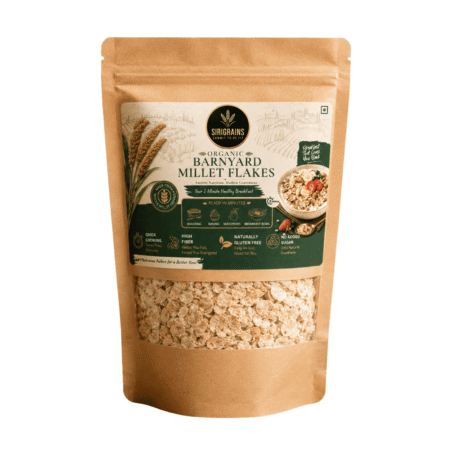
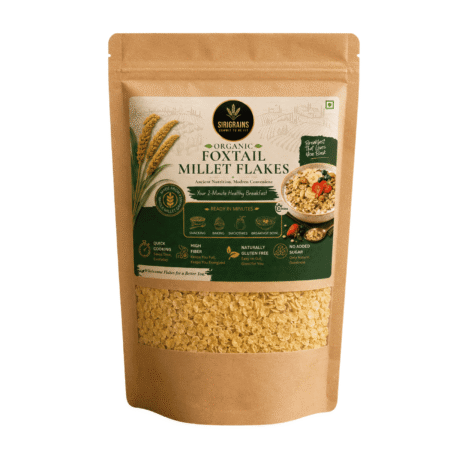
Organic Barnyard Millet Flakes (500g) – Instant Breakfast Cereal
SKU: SG-BM-FLK-500GM
In stock
1.05 kg
₹225.00
Barnyard Millet 1kg | Highest Fiber, Low Carb, (Sanwa / Samo)
SKU: SG-BM-ORG-1KG
In stock
0.6 kg
₹190.00
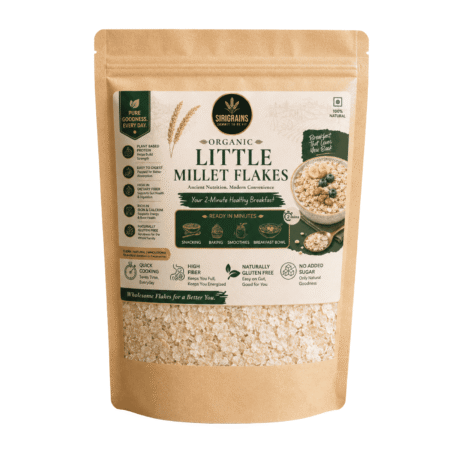
Organic Little Millet Flakes (500g) – Instant Breakfast Cereal
SKU: SG-LM-FLK-500GM
In stock
₹250.00
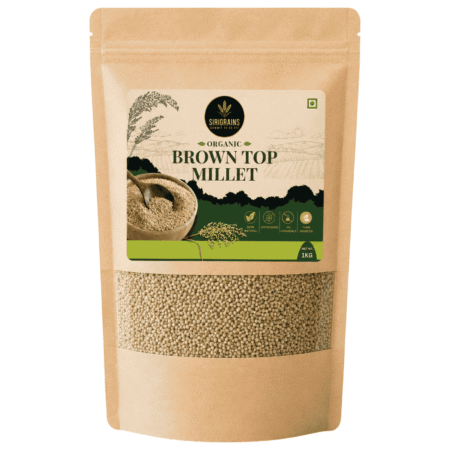
Brown Top Millet 1kg, Rare Iron-Rich Grain, (Hari Kangni / Korale)
SKU: SG-BTM-ORG-1KG