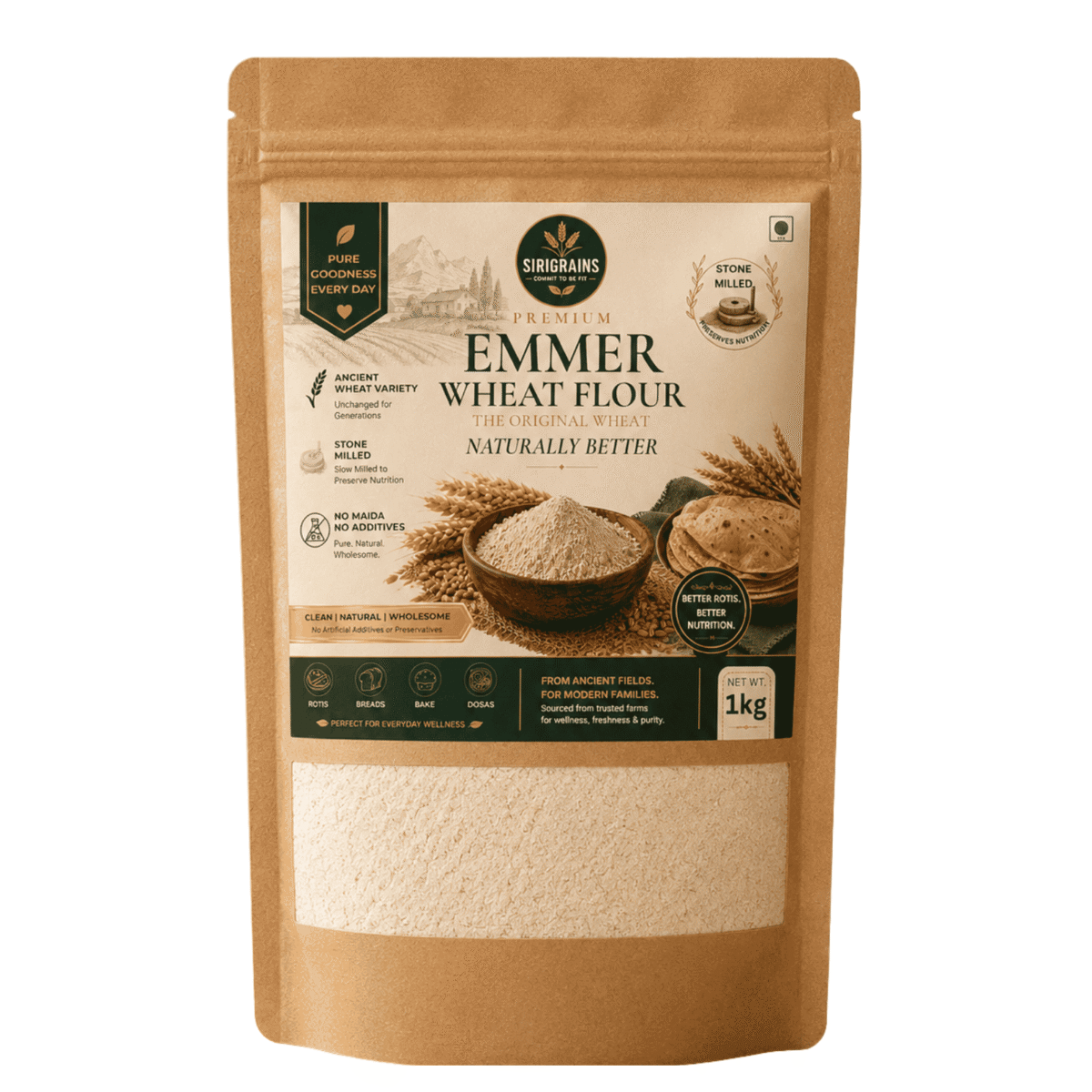
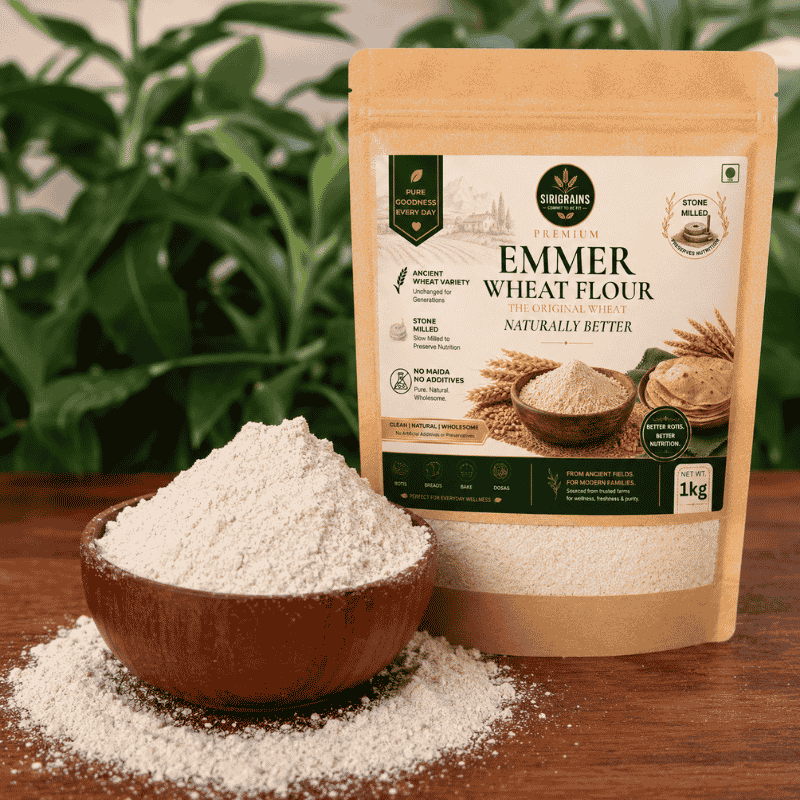
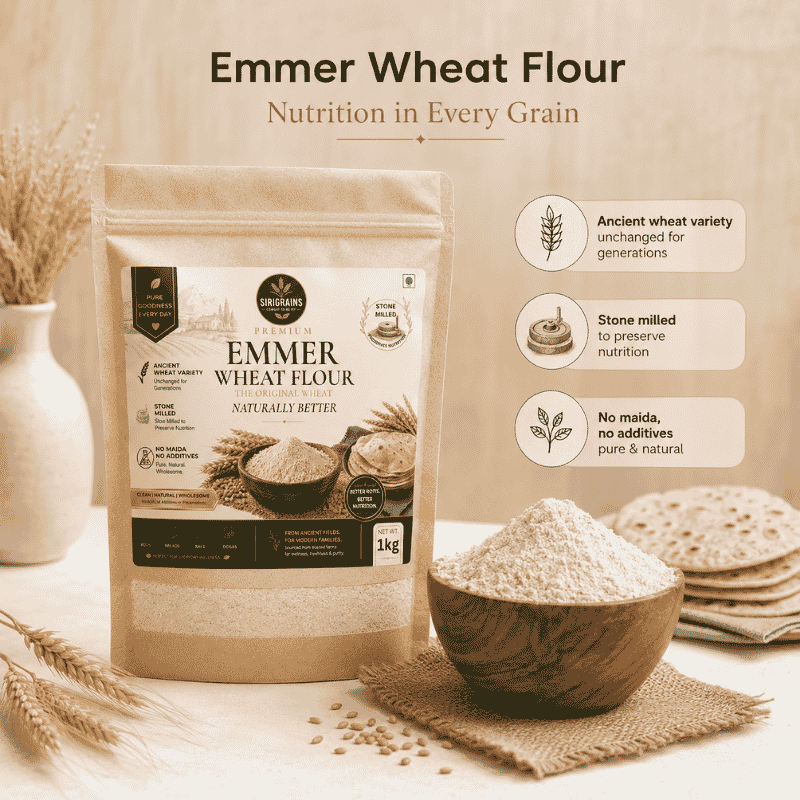
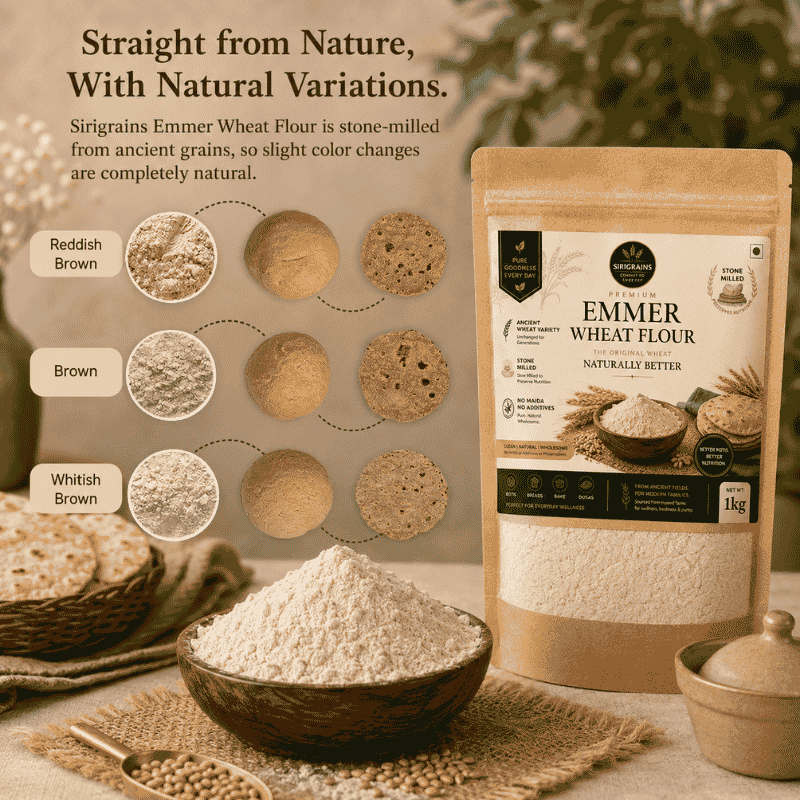
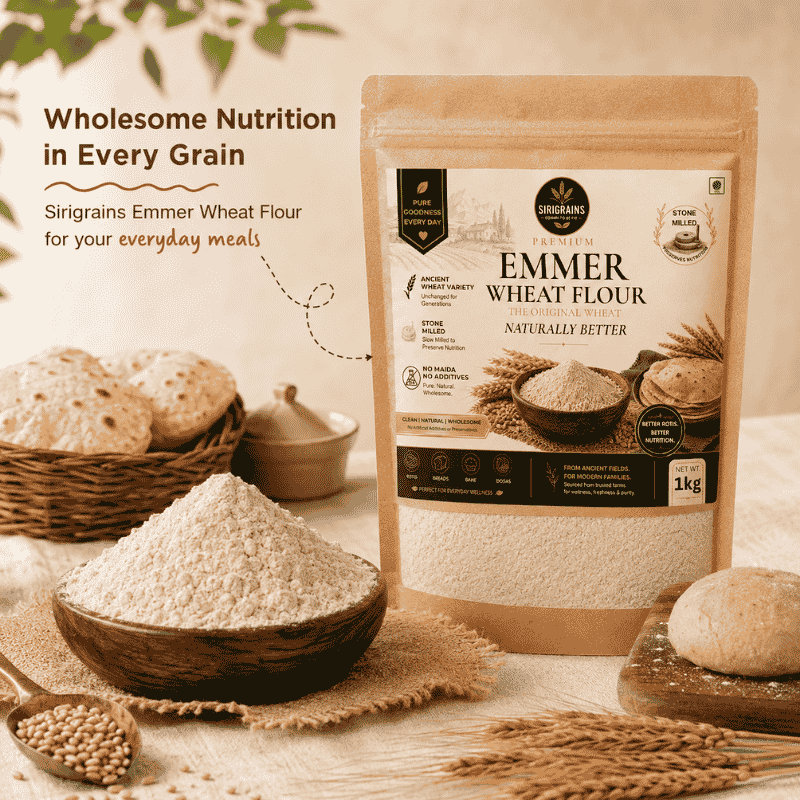
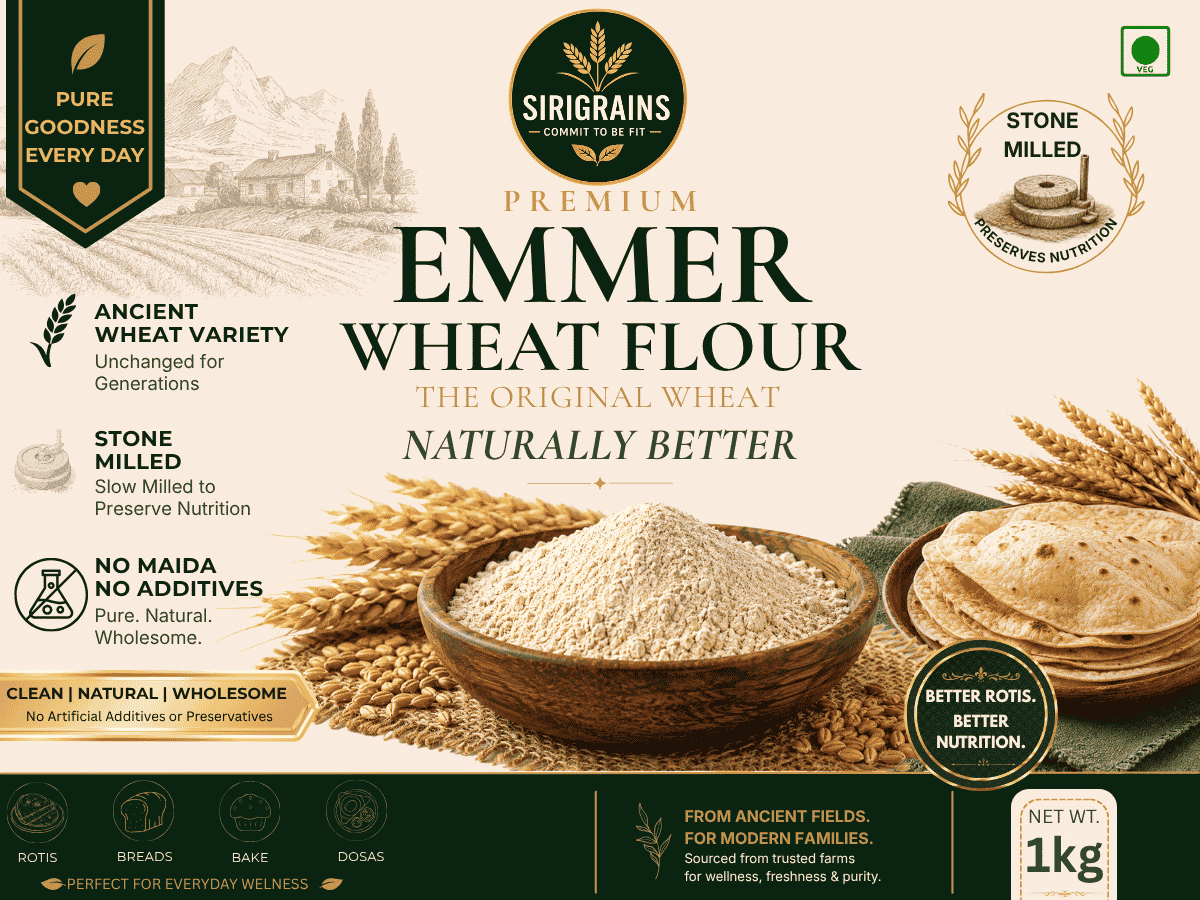
Khapli Atta 1kg, Ancient Grain, Stoneground Emmer Wheat Flour
₹160.00
The 8,000-year-old grain making a comeback – for good reason. SiriGrains Khapli Atta (Emmer Wheat Flour) is an ancient grain with lower gluten (~15%) and higher fiber (10.7g/100g) than modern wheat. Stoneground to preserve every nutrient, this flour makes rotis and parathas that are easier to digest, more nutritious, and deliciously nutty.
WHY Khapli WHEAT (EMMER) IS SUPERIOR TO MODERN WHEAT:
- Lower Gluten (~15%) – Up to 50% less gluten than modern wheat (25-30%) – lighter on digestion [citation:3]
- Higher Fiber (10.7g/100g) – 3-4x more fiber than regular wheat flour – supports gut health [citation:10]
- Richer in Protein (13-16%) – More protein than modern varieties – sustained energy [citation:1]
- Rich in Iron & Magnesium – Ancient wheats contain higher levels of essential minerals [citation:2]
- Lower Glycemic Index (~62) – Better blood sugar control than modern wheat [citation:3][citation:5]
- Easier Digestion – Many with gluten sensitivity find ancient wheats more tolerable [citation:10]
- Stoneground Traditional Method – Preserves nutrients, no high-heat processing
- 100% Natural | No Additives | No Preservatives | FSSAI Certified
📋 Pack Size: 1kg (Family Pack – perfect for daily rotis)
🚚 Free Shipping on orders above ₹599 |🔒100% Secure Checkout
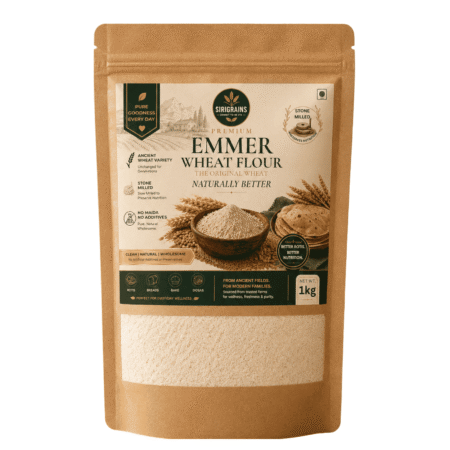
This item: Khapli Atta 1kg, Ancient Grain, Stoneground Emmer Wheat Flour
₹160.00
₹160.00
Complete Your Healthy Kitchen
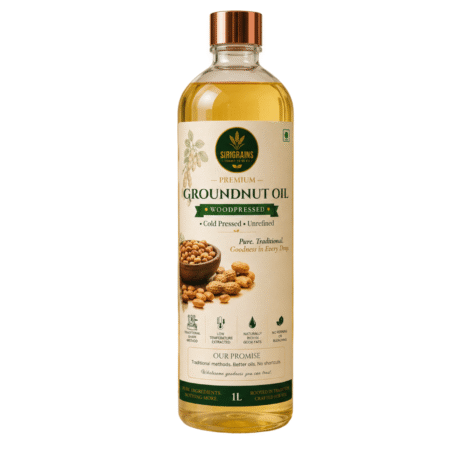
Categories
BestsellerFeaturedOnsaleNewest
In stock
5.05 kg
₹1,166.00
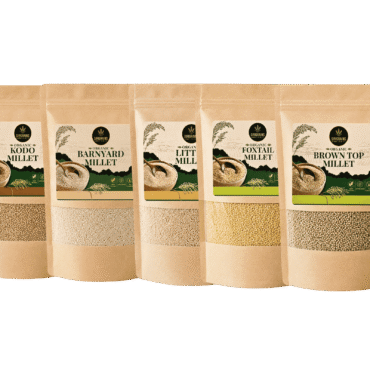
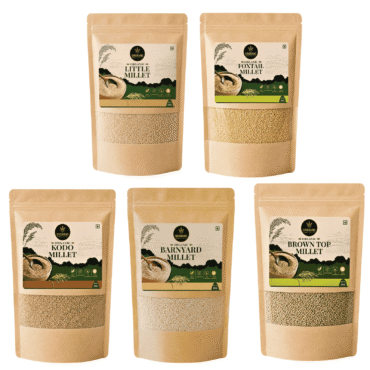
Millet Combo Pack (5 Millets x 1kg), Complete 5 Millet Siridhanya Pack
SKU: SG-MCP-ORG-1KG
In stock
1.05 kg
₹99.00
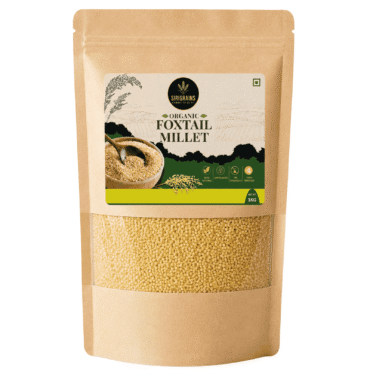
Foxtail Millet 1kg | Low GI, High Fiber, (Kangni / Navane)
SKU: SG-FM-ORG-1KG
In stock
2.56 kg
₹599.00
Siridhanya Combo Pack (5 Positive Millets x 500g) – Khader Vali Millets
SKU: SG-MCP-ORG-500gm
In stock
1.05 kg
₹225.00
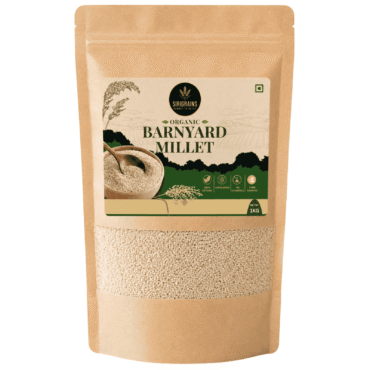
Barnyard Millet 1kg | Highest Fiber, Low Carb, (Sanwa / Samo)
SKU: SG-BM-ORG-1KG
In stock
1.05 kg
₹180.00
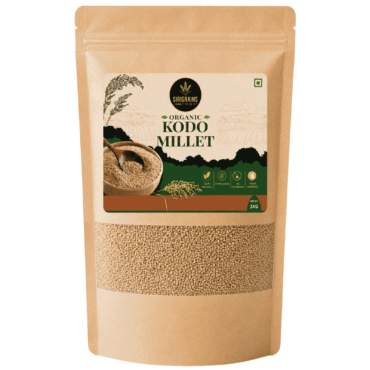
Kodo Millet 1kg, Prebiotic Rich, Gut Health Grain, (Kodra / Varagu)
SKU: SG-KM-ORG-1KG
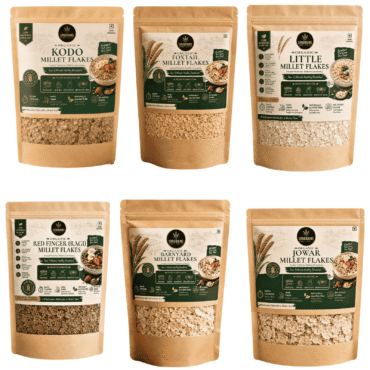

Estimated Delivery:
Oct 28 Nov 01
people
are viewing this right now
Description
The 8,000-Year-Old Grain Making a Comeback: Why Khapli Wheat is Different
Before modern wheat took over our fields, there was Khapli – also known as Emmer wheat or Farro. Cultivated as early as 6000 BCE, this ancient grain was a staple food for millennia. It fed civilizations, nourished generations, and sustained traditional diets. But with the Green Revolution, Khapli wheat was pushed aside in favor of high-yield modern varieties [citation:10].
Today, Khapli is making a powerful comeback. Health-conscious families, diabetics, and anyone who struggles with modern wheat digestion are rediscovering this lower-gluten, higher-fiber, nutrient-dense alternative. Unlike modern wheat bred for yield rather than nutrition, Khapli retains the genetic profile of our ancestors’ grain [citation:2].
SiriGrains brings you stoneground Khapli Atta (Emmer Wheat Flour) made from premium organic emmer wheat. Milled using traditional stone grinding that preserves nutrients at low temperatures – no high-heat processing that destroys sensitive vitamins and minerals. No additives. No preservatives. Just pure, ancient grain goodness.
Khapli Atta (Emmer) vs Modern Wheat Flour
| Parameter | Khapli Atta (Emmer) | Modern Wheat Flour |
|---|---|---|
| Gluten Content | ~15% (Lower) [citation:10] | 25-30% (Higher) |
| Fiber (per 100g) | 10.7g (3-4x More) [citation:10] | 2.5-3.5g |
| Protein | 13-16% (Higher) [citation:1] | 10-12% |
| Glycemic Index | ~62 (Lower) [citation:3] | 70-75+ |
| Iron & Magnesium | Higher [citation:2] | Lower |
| Digestive Comfort | Better (less bloating) [citation:10] | May cause heaviness |
The Science: Why Khapli is Easier to Digest
1. Lower Gluten – But NOT Gluten-Free (Important Distinction)
Khapli wheat contains approximately 15% gluten – significantly lower than modern wheat’s 25-30% [citation:3][citation:10]. This is up to 50% less gluten! However, this is not a gluten-free product. For those with celiac disease, Khapli is not safe. But for individuals who experience mild gluten sensitivity, bloating, or digestive discomfort with modern wheat, many find Khapli far more tolerable [citation:10].
2. Higher Fiber (10.7g/100g) – 3-4x More Than Regular Atta
Modern wheat processing strips away much of the natural fiber. Khapli, stoneground as whole grain, retains 10.7 grams of fiber per 100 grams [citation:10]. This is 3-4 times more than regular wheat flour (2.5-3.5g/100g). The high fiber content supports digestive regularity, feeds beneficial gut bacteria, and increases satiety.
3. Rich in Iron and Magnesium
Scientific studies confirm that ancient wheats like emmer contain significantly higher levels of essential minerals including iron, zinc, and magnesium compared to modern wheat varieties [citation:1][citation:2]. These minerals support:
- 🩸 Iron – Prevents anemia, supports energy production
- 💚 Magnesium – Supports heart health, blood pressure, nerve function
- 🛡️ Zinc – Boosts immunity, supports skin health
4. Lower Glycemic Index (~62) for Better Blood Sugar Control
Modern wheat atta typically has a glycemic index of 70-75+. Khapli has a lower GI of approximately 62 [citation:3][citation:5]. The combination of lower GI and high fiber (10.7g/100g) means slower glucose release – no blood sugar spikes after meals. This makes Khapli rotis an excellent choice for diabetics and anyone watching their blood sugar.
5. Higher Protein (13-16%) for Sustained Energy
Modern wheat has been bred for yield, not nutrition. Khapli retains higher protein content – 13-16% compared to 10-12% in modern wheat [citation:1]. More protein means:
- ⚡ Sustained energy – No mid-morning crash
- 🍽️ Better satiety – Keeps you full longer
- 💪 Muscle support – Especially important for vegetarians
6. Stoneground Processing – Preserves Nutrients
Modern commercial flours are often high-heat processed, which can damage sensitive vitamins and minerals. Our Khapli atta is traditionally stoneground at low temperatures, preserving all natural oils, vitamins, and nutrients. This traditional method also retains the nutty, earthy flavor that commercial flours lack.
📚 Scientific Context: Research published in the journal Foods (2023) confirms that emmer wheat landraces contain higher levels of micronutrients, phenolic content, and antioxidant activity than commercial wheat samples [citation:2]. Ancient wheats are considered a valuable genetic source for improving modern wheat varieties.
Who Should Use Khapli Atta?
🩸 Diabetics & Pre-Diabetics (The #1 Audience)
Lower GI (~62) + high fiber (10.7g/100g) = no blood sugar spikes after meals. Many diabetics find Khapli rotis keep their post-meal glucose in check far better than regular wheat rotis [citation:3][citation:4][citation:10].
🌿 People with Mild Gluten Sensitivity or Digestive Discomfort
Not celiac disease – but you feel heavy, bloated, or tired after wheat rotis. The lower gluten content (15% vs 25-30%) makes Khapli easier to digest for many sensitive individuals [citation:3][citation:10].
❤️ Anyone Concerned About Heart Health
The magnesium content supports healthy blood pressure. The fiber helps maintain healthy cholesterol levels. Ancient grains are linked to reduced cardiovascular risk [citation:1].
🍽️ People Managing Weight
Higher fiber (10.7g/100g) + higher protein (13-16%) = greater satiety. You’ll feel full longer after a Khapli roti than a regular wheat roti.
🩸 Women with Iron Deficiency or Anemia
Khapli is naturally richer in iron than modern wheat. Regular consumption can help maintain healthy hemoglobin levels [citation:10].
🍞 Home Bakers Seeking Unique Flavors
The nutty, earthy flavor of Khapli adds depth to breads, cookies, and muffins that modern flour simply cannot match.
How to Use Khapli Atta (Important: Dough is Different!)
🫓 Method 1: Khapli Roti/Chapati (The Most Common Use)
Important: Khapli dough behaves differently than modern wheat dough. Here’s the correct method:
Ingredients: 1 cup Khapli atta, warm water (¾ – 1 cup – more than regular atta), salt (optional), 1 tsp oil (optional)
- Mix: Combine flour and salt in a bowl. Add warm water gradually – Khapli absorbs more water than regular atta.
- Knead: Knead for 5-7 minutes until smooth. The dough should be soft but not sticky.
- Rest (Critical Step!): Cover and let the dough rest for 15-20 minutes. This allows the bran to absorb water fully and makes the dough more pliable.
- Roll & Cook: Roll or pat into rotis. Cook on tawa until brown spots appear.
Pro tip: Khapli rotis may be slightly denser than regular wheat rotis. This is normal – it’s the texture of whole ancient grain.
🥙 Method 2: Khapli Paratha
The nutty, earthy flavor of Khapli actually makes superior parathas. The slightly denser texture holds stuffing better. Stuff with spiced potatoes, paneer, radish, or cauliflower. The nutty flavor complements both spicy and mild fillings beautifully.
🍞 Method 3: Khapli Bread (Artisan Style)
Khapli flour makes a dense, nutty, rustic bread reminiscent of traditional European loaves. For best results, use a sourdough starter or long fermentation. The ancient grain’s character shines in slow-rise breads [citation:7].
🍪 Method 4: Khapli Cookies & Biscuits
Substitute 50-100% of regular flour with Khapli atta in cookie recipes. The nutty, earthy flavor works especially well in oatmeal cookies, date and nut cookies, and savory biscuits.
Why Choose SiriGrains Khapli Atta?
- 🌾 Single-Origin Emmer Wheat – Sourced from traditional Indian farms
- 🪨 Authentic Stoneground – Traditional milling, no high-heat processing
- 🌿 Lower Gluten (~15%) – Up to 50% less than modern wheat
- 🍞 High Fiber (10.7g/100g) – 3-4x more than regular atta
- 💪 Rich in Iron & Magnesium – Naturally higher mineral content [citation:2]
- 📉 Lower GI (~62) – Better for blood sugar control [citation:5]
- 🌱 100% Natural, No Additives – No preservatives, no bleaching, no enhancers
- 📦 Resealable Packaging – Locks in freshness, prevents moisture
- ✅ FSSAI Certified Facility – Strict quality control standards
Storage Tips for Stoneground Khapli Atta
- 📦 Store in airtight container – Glass or steel containers are best
- 🌡️ Keep in cool, dry place – Away from sunlight, heat, and humidity
- ❄️ Refrigerate for longer storage – Stoneground flour contains natural oils that can turn rancid at room temperature over time
- 📋 Shelf life: 6 months unopened – 3 months after opening (refrigerated recommended)
- 👃 Check for freshness – Fresh Khapli flour smells nutty and earthy, not bitter or rancid
Customer Reviews
⭐⭐⭐⭐⭐ “Finally – rotis that don’t spike my blood sugar”
“I was diagnosed with type 2 diabetes last year. My doctor suggested switching to millets, but my family missed rotis. Tried Khapli atta on a friend’s recommendation. My post-meal glucose is now consistently under control. The taste is nutty and delicious – my family loves it too.” – Mr. Suresh K., Hyderabad
⭐⭐⭐⭐⭐ “No more bloating after rotis”
“For years, I felt heavy and bloated after every meal with wheat rotis. I assumed it was normal. Switched to Khapli atta – the difference is night and day. Lighter digestion, no bloating, and I actually have energy after lunch instead of wanting a nap.” – Mrs. Priya S., Bangalore
⭐⭐⭐⭐⭐ “My mother with gluten sensitivity loves it”
“My mother has gluten sensitivity but misses rotis terribly. Regular wheat rotis cause her digestive distress. Khapli rotis? No issues. The lower gluten content makes all the difference. This is now the only atta in our kitchen.” – Ms. Anjali M., Pune
Frequently Asked Questions (FAQ)
Q1: Is Khapli atta gluten-free?
A1: No, Khapli atta is not gluten-free. It contains approximately 15% gluten – about 50% less than modern wheat (25-30%). It is not safe for celiac disease. However, many with mild gluten sensitivity or digestive discomfort find it far more tolerable than modern wheat [citation:10].
Q2: Is Khapli atta good for diabetes?
A2: Yes – Khapli has a lower glycemic index (~62 vs 70-75+ for modern wheat) and much higher fiber content (10.7g vs 2.5-3.5g). This combination helps prevent blood sugar spikes after meals [citation:3][citation:5][citation:10].
Q3: What is the difference between Khapli and regular wheat?
A3: Khapli (emmer) is an ancient grain with lower gluten (~15% vs 25-30%), higher fiber (10.7g vs 2.5-3.5g), higher protein (13-16% vs 10-12%), higher iron and magnesium, and a nuttier, earthier flavor [citation:10].
Q4: Does Khapli roti taste different from regular roti?
A4: Yes – Khapli rotis have a nutty, earthy flavor that’s noticeably different from neutral-tasting modern wheat rotis. Most people find it pleasant and delicious – it adds character to meals.
Q5: Why does Khapli dough need more water and resting time?
A5: The higher fiber content (10.7g/100g) absorbs more water than refined flour. The 15-20 minute resting time allows the bran to fully hydrate, making the dough more pliable and easier to roll.
Q6: Is Khapli wheat grown in India?
A6: Yes – Khapli wheat has been cultivated in India for centuries. It is known as “Khapli gehun” in Maharashtra and other regions. Our Khapli is sourced from traditional Indian farms.
Q7: Can I use Khapli atta for baking bread?
A7: Yes – Khapli flour makes a dense, nutty, rustic bread with excellent flavor. It works particularly well in sourdough and long-fermentation breads, where the ancient grain character can fully develop [citation:7].
Q8: What is the shelf life?
A8: 6 months when stored in an airtight container in a cool, dry place. Stoneground flour contains natural oils – refrigerate after opening for maximum freshness (up to 3 months).
Q9: Is this product organic?
A9: Our Khapli wheat is grown using traditional, low-chemical methods. While not certified organic, it is 100% natural – no pesticides in processing, no preservatives, no additives.
Q10: Do you offer bulk discounts for businesses?
A10: Yes. For bulk orders (5kg+), please contact us at +91-7975740132 for wholesale pricing.
Shopping & Delivery Information
- 📦 Free Shipping on orders above ₹599
- 🚚 Estimated Delivery: 3-5 business days (Bangalore: 2-3 days)
- 🔄 Easy Returns: 7-day return policy for unopened packages with seal intact
- 📞 Bulk Orders (5kg+): Call +91-7975740132 for wholesale pricing
Additional information
| Weight | 1.05 kg |
|---|---|
| Product Specifications | Form: Stoneground whole wheat flour, Grain: Emmer Wheat (Khapli, Farro), Gluten Content: ~15% (lower than modern wheat), Fiber Content: 10.7g/100g, Processing: Traditional stone milling (low temperature), Additives: None, Preservatives: None, Shelf Life: 6 months |
| Nutritional Info (per 100g) | Calories: 360 kcal, Protein: 12-16g, Dietary Fiber: 10.7g, Carbohydrates: 70g, Total Fat: 2-2.5g, Sugar: 0.4g, Iron: Rich source, Magnesium: Rich source, Zinc: Good source, Glycemic Index: ~62 |
| Health Benefits | Digestive Health: Lower gluten content makes Khapli easier to digest than modern wheat, Diabetes Management: Lower GI (~62) and high fiber (10.7g) support blood sugar control, Heart Health: Magnesium and fiber help maintain healthy cholesterol and blood pressure, Weight Management: High fiber increases satiety, reduces cravings, Nutrient Density: Higher in iron, zinc, and magnesium than modern wheat, Antioxidant Properties: Ancient wheats contain higher levels of phenolic compounds, Sustained Energy: Complex carbohydrates and protein provide steady energy release [citation:2] |
| Usage Guide | Roti/Chapati: Knead dough with warm water (absorbs more water than regular atta) – rest for 15-20 minutes for best results, Paratha: Excellent for layered flatbreads – the nutty flavor enhances stuffed parathas, Poori: Makes soft, puffy puris, Baking: Great for breads, cookies, and muffins – nutty flavor adds depth, Dough Tip: Khapli dough needs more water and longer resting time than modern wheat atta, Storage: Keep in airtight container in cool, dry place – stoneground flour has natural oils that can turn rancid if exposed to heat |
Upgrade to a Complete Wellness Bundle
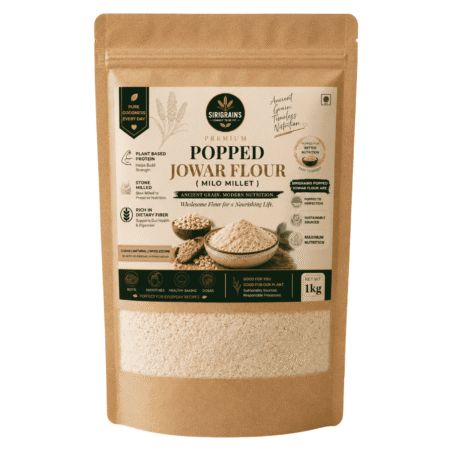
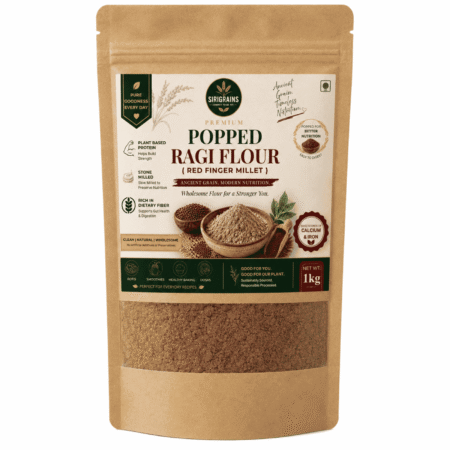
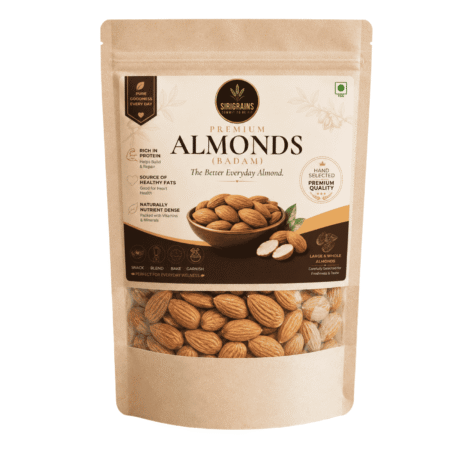
In stock
2.6 kg
₹640.00
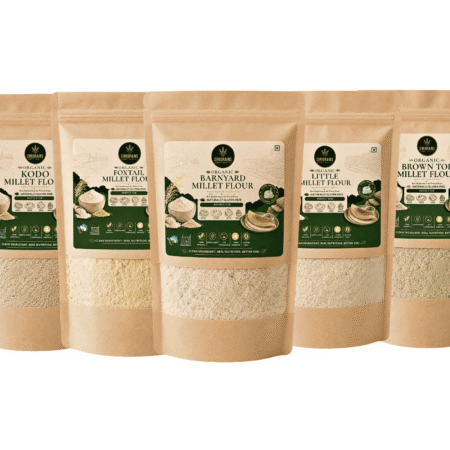
Positive Millets Flour Combo Pack (5 x 500g) – Complete Siridhanya Flours Set
SKU: SG-MCP-FLR-500GM
Viewers Also Liked
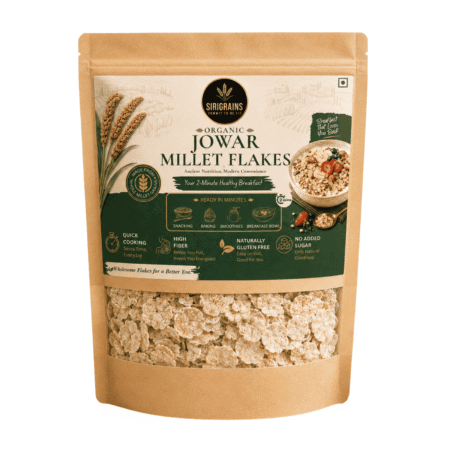
In stock
0.6 kg
₹147.00
Organic Jowar Millet Flakes (500g) – The Healthy Alternative to Corn Flakes
SKU: SG-JW-FLK-500GM
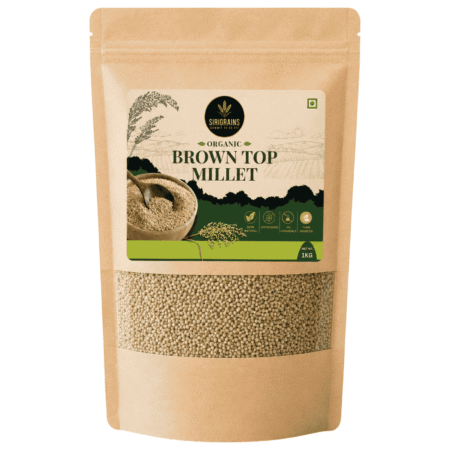
In stock
₹250.00
Brown Top Millet 1kg, Rare Iron-Rich Grain, (Hari Kangni / Korale)
SKU: SG-BTM-ORG-1KG
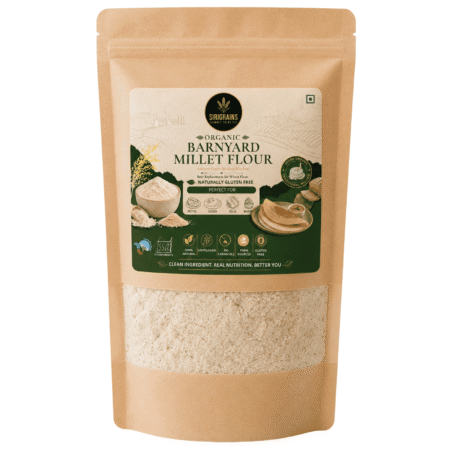
In stock
1.05 kg
₹255.00
Barnyard Millet Flour 1kg, Gluten-Free Flour, Organic Positive Millet (Siridhanya)
SKU: SG-BM-FLR-1KG
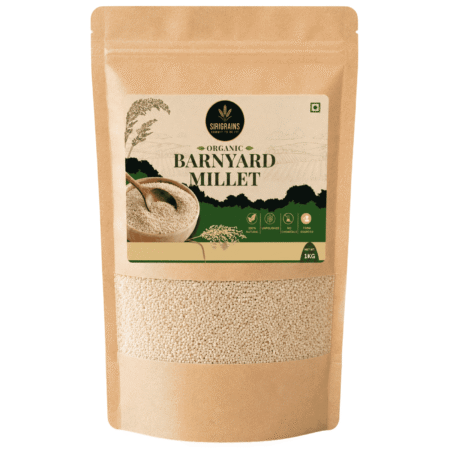
In stock
1.05 kg
₹225.00
Barnyard Millet 1kg | Highest Fiber, Low Carb, (Sanwa / Samo)
SKU: SG-BM-ORG-1KG
In stock
1 kg
₹499.00
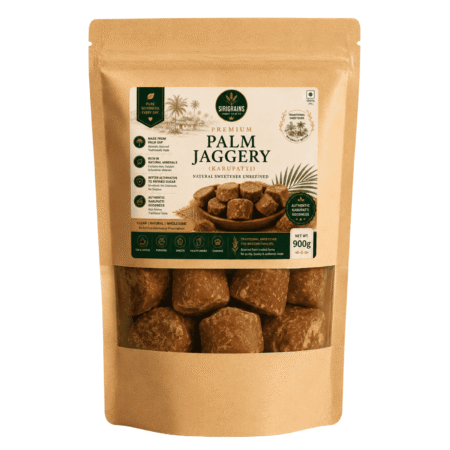
Palm Jaggery 900g, Traditional Unrefined Natural Sweetener Karupatti
SKU: SG-PJ-900