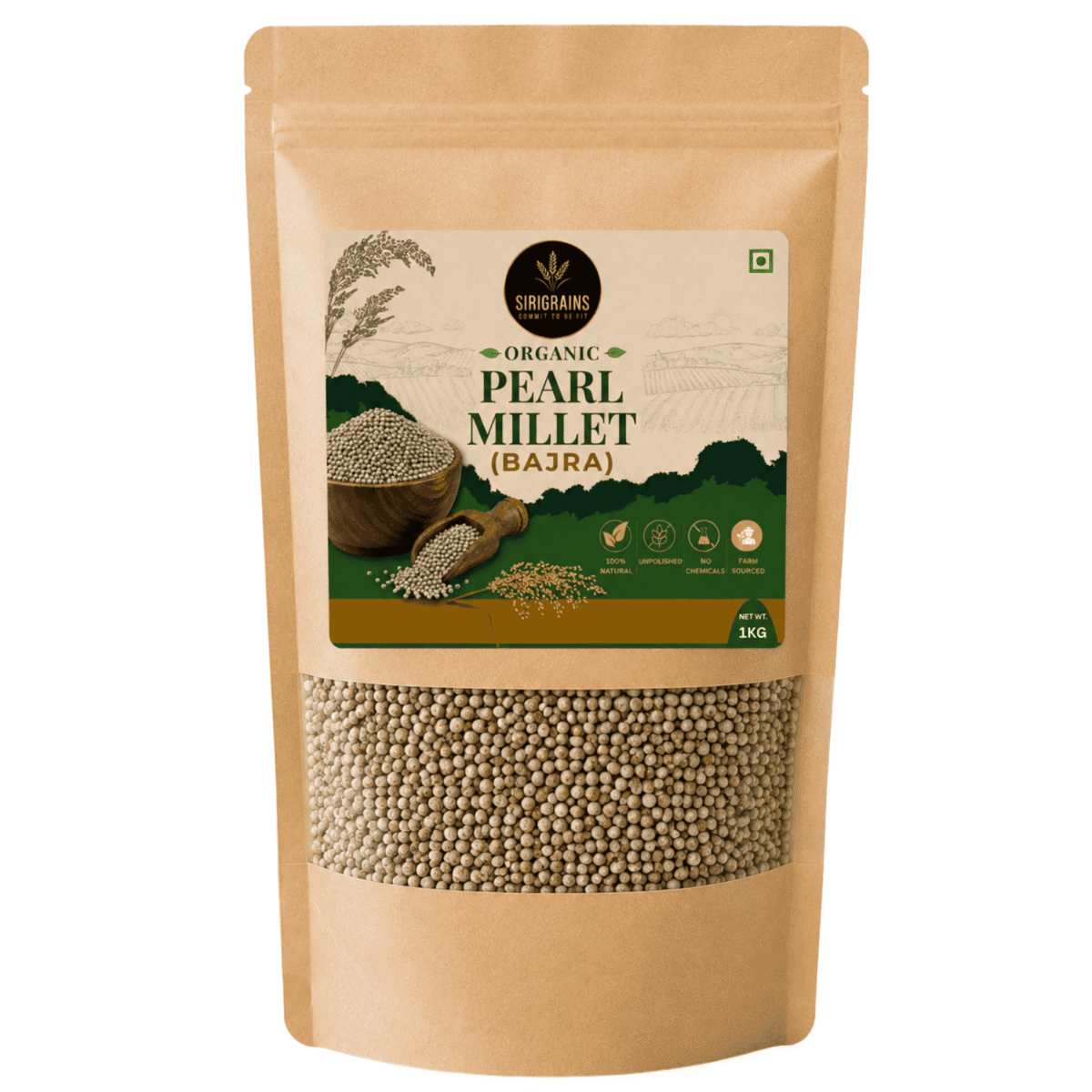
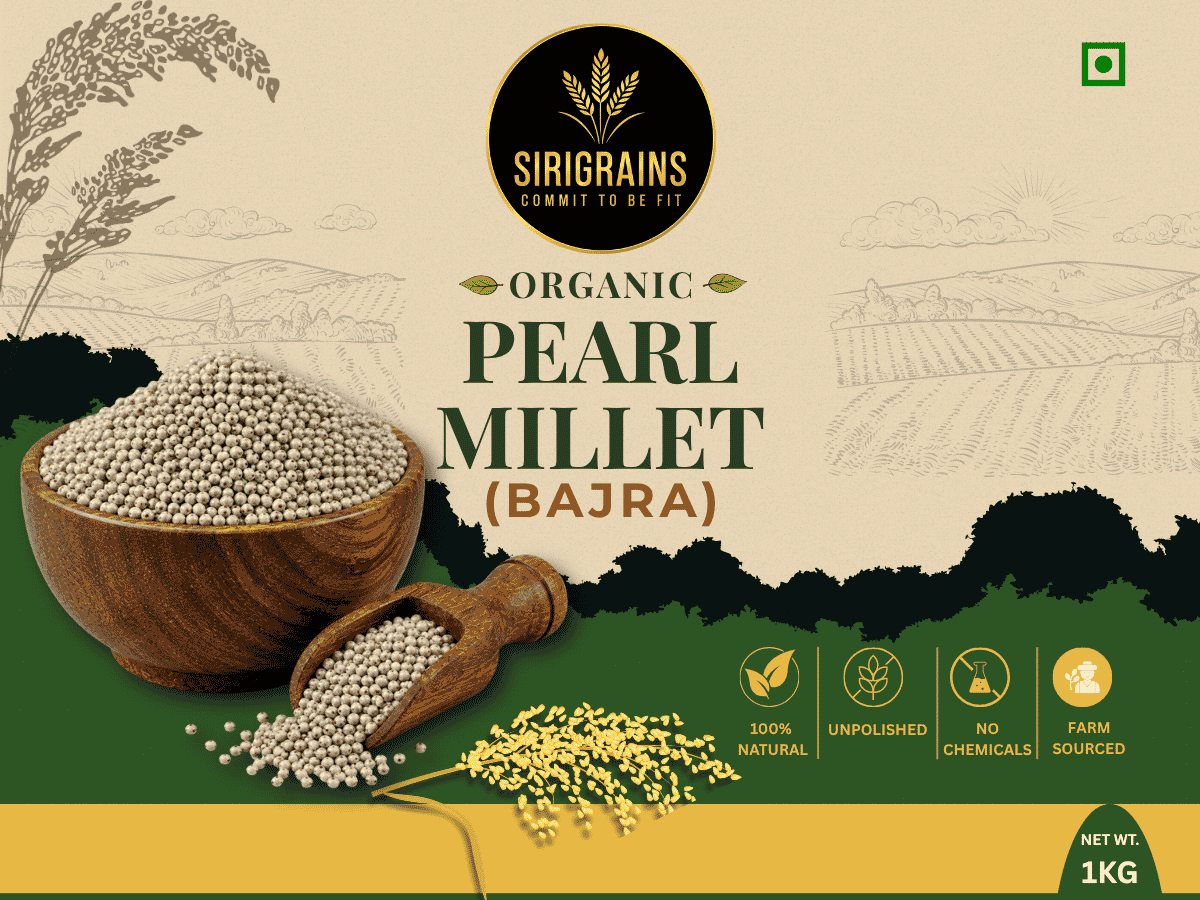
Pearl Millet 1kg, Highest Iron, (Bajra / Kambu / Sajje)
₹150.00
Looking for the most iron-rich millet for winter, pregnancy, or daily health? SiriGrains Organic Pearl Millet (Bajra/Kambu/Sajje) contains 10.8mg of iron per 100g – the highest among all millets! Rich in natural folate (folic acid), it’s traditionally recommended during pregnancy and for lactating mothers. With a low GI of 54 and high magnesium (110mg), Bajra keeps you warm in winter, controls blood sugar, and supports heart health.
- Highest Iron (10.8mg/100g) – Fights anemia, boosts energy
- Rich in Folate (Natural Folic Acid) – Essential during pregnancy
- Best for Winter – Generates natural body heat
- Low GI (54) – Controls blood sugar, diabetes-friendly
- High Magnesium (110mg/100g) – Reduces blood pressure
- Supports Lactation – Traditional galactagogue, increases breast milk
- 100% Unpolished & Double-Cleaned – No chemicals
- Gluten-Free & Vegan – Safe for celiac & gluten sensitivity
- FSSAI Certified – Direct from Rajasthan & Karnataka farms
🚚 Free Shipping on orders above ₹599 |🔒 100% Secure Checkout | ⭐ “Must-have during pregnancy” – Customer Review
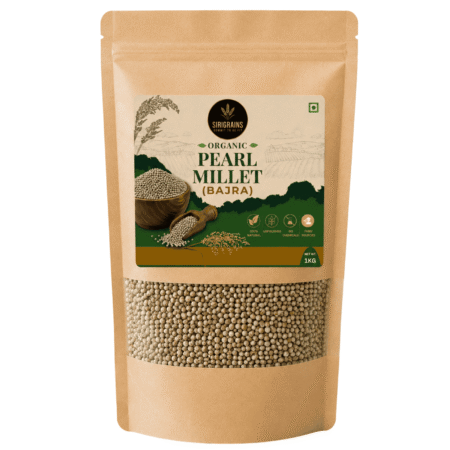
This item: Pearl Millet 1kg, Highest Iron, (Bajra / Kambu / Sajje)
₹150.00
₹150.00
Categories
BestsellerFeaturedOnsaleNewest
In stock
5.05 kg
₹1,166.00
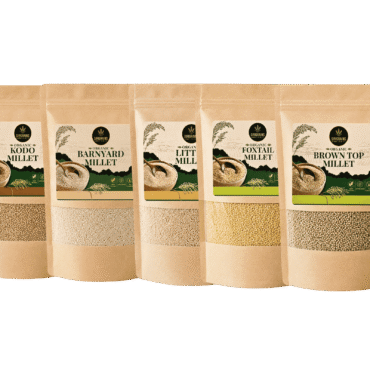
Millet Combo Pack (5 Millets x 1kg), Complete 5 Millet Siridhanya Pack
SKU: SG-MCP-ORG-1KG
In stock
1.05 kg
₹99.00
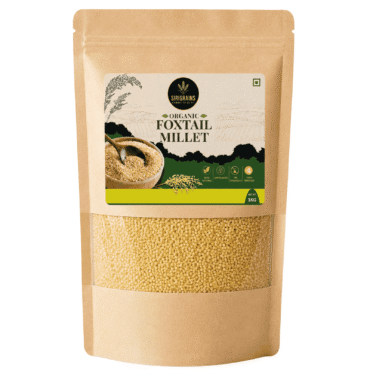
Foxtail Millet 1kg | Low GI, High Fiber, (Kangni / Navane)
SKU: SG-FM-ORG-1KG
In stock
2.56 kg
₹599.00
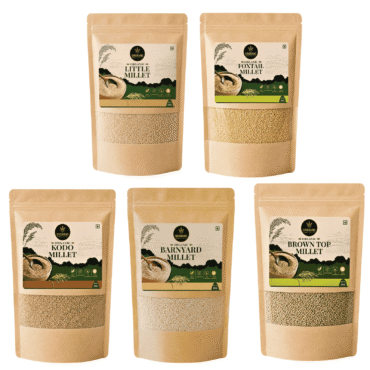
Siridhanya Combo Pack (5 Positive Millets x 500g) – Khader Vali Millets
SKU: SG-MCP-ORG-500gm
In stock
1.05 kg
₹225.00
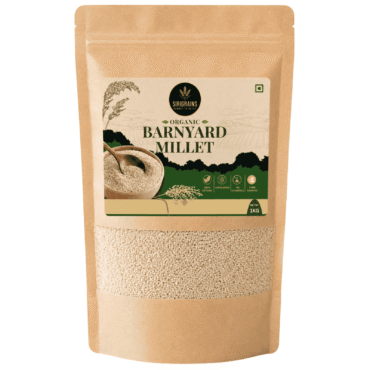
Barnyard Millet 1kg | Highest Fiber, Low Carb, (Sanwa / Samo)
SKU: SG-BM-ORG-1KG
In stock
1.05 kg
₹180.00
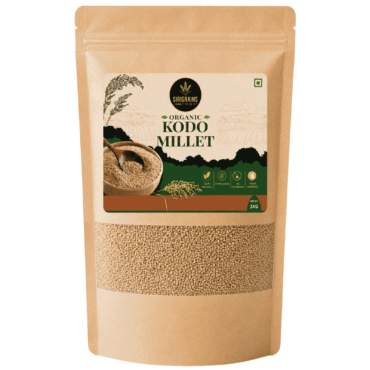
Kodo Millet 1kg, Prebiotic Rich, Gut Health Grain, (Kodra / Varagu)
SKU: SG-KM-ORG-1KG

Estimated Delivery:
Oct 28 Nov 01
people
are viewing this right now
Description
Why Pearl Millet (Bajra) is India’s Most Trusted Family Millet
Pearl Millet, known as Bajra in Hindi, Sajje in Kannada, and Kambu in Tamil, has been a dietary staple across India for centuries. Unlike other millets that are relatively new to many households, Bajra is India’s 4th most widely cultivated millet and has stood the test of time. From the winter rotis of Gujarat and Rajasthan to the wholesome khichdi of South India, Bajra is truly the “complete family superfood” – safe and beneficial for everyone from infants to the elderly .
SiriGrains brings you traditionally grown, unpolished Pearl Millet directly from small farms in Karnataka. No middlemen, no chemicals, no compromise.
Why Bajra is Uniquely Beneficial (Not Found in Other Millets)
1. Iron Content: #1 Among All Millets (10-11mg/100g)
Pearl millet contains 10-11mg of iron per 100g – that’s 5x more than brown rice and 3x more than whole wheat . Iron is essential for:
- Preventing and treating iron-deficiency anemia (common in Indian women and children)
- Producing hemoglobin for oxygen transport
- Reducing fatigue and improving energy levels
- Supporting cognitive function in children
For vegetarians (who don’t consume heme iron from meat), Bajra is one of the best natural sources of iron available.
2. Lactation Support: Scientifically Proven to Increase Breast Milk
This is a unique benefit not found in other millets. Bajra has been traditionally recommended for lactating mothers in India for generations. Scientific studies confirm that pearl millet consumption helps increase breast milk production and quality. The combination of iron, calcium, protein, and essential fatty acids supports both mother and baby during the critical breastfeeding period.
3. Folate (Folic Acid): Essential for Pregnancy
Bajra contains 45-50μg of folate per 100g. Folate is critical during pregnancy to prevent neural tube defects in the developing fetus. Doctors routinely prescribe folic acid supplements to pregnant women – Bajra provides this naturally, along with iron and other essential nutrients .
4. Magnesium: Highest Among Millets (136mg/100g)
Pearl millet has the highest magnesium content among all millets at 136mg per 100g . Magnesium is essential for:
- Lowering blood pressure naturally
- Reducing risk of heart disease and stroke
- Improving sleep quality
- Reducing migraine frequency
- Managing blood sugar levels in diabetes
5. Winter Superfood: Traditional Warming Properties
In North and West India, Bajra Roti (Bhakri) is consumed almost daily during winter months. Why? Bajra has natural warming properties that help the body maintain core temperature in cold weather. The high fat content (3.9g per 100g) and complex carbohydrates provide sustained energy and warmth .
Health Benefits of Pearl Millet (Detailed)
1. Is Bajra Good for Diabetes?
Yes – excellent. Pearl millet has a low Glycemic Index (54-56) . The combination of high magnesium (improves insulin sensitivity), high fiber (slows glucose absorption), and complex carbohydrates makes it ideal for diabetes management.
Important research finding: Pearl millet consumption helps lower hemoglobin A1C levels, total cholesterol, and triglycerides in people with diabetes .
2. Is Bajra Good for Heart Health?
Yes – exceptionally good. The high magnesium content (136mg/100g) – highest among millets – helps lower blood pressure . The fiber binds to cholesterol particles, reducing LDL (bad cholesterol). The potassium content (310-350mg/100g) further supports healthy blood pressure .
3. Is Bajra Good for Weight Loss?
Yes. With 7-11g of dietary fiber per 100g, Bajra keeps you feeling full for hours . The complex carbohydrates provide sustained energy without blood sugar spikes that trigger hunger cravings.
4. Is Bajra Good for Pregnancy?
Yes – highly recommended. Bajra provides:
- Folate (45-50μg) – prevents neural tube defects
- Iron (10-11mg) – prevents pregnancy anemia
- Calcium (42mg) – supports fetal bone development
- Protein (8-11g) – supports fetal growth
5. Is Bajra Good for Lactation?
Yes – traditionally recommended for new mothers. Bajra consumption helps increase breast milk production and improves milk quality. The iron content helps new mothers recover from childbirth blood loss; the calcium supports both mother and baby’s bone health.
6. Is Bajra Gluten-Free?
Yes. Pearl millet is naturally gluten-free, making it safe for celiac disease, gluten sensitivity, and those following a gluten-free diet .
Pearl Millet (Bajra) vs Other Grains (Comparison Table)
| Nutrient (per 100g) | Pearl Millet (Bajra) | Brown Rice | Wheat Roti | Foxtail Millet |
|---|---|---|---|---|
| Iron (mg) | 10-11 (Highest) | 1.5 | 1.5 | 2.8 |
| Magnesium (mg) | 136 (Highest) | 48 | 30 | 50-60 |
| Calcium (mg) | 42 | 2 | 10 | 31 |
| Folate (μg) | 45-50 (Highest) | 4 | 10 | 15-20 |
| Protein (g) | 8-11 | 2.7 | 7.5 | 11.0 |
| Dietary Fiber (g) | 7-11 | 0.4 | 2.5 | 19.0 |
| Glycemic Index | 54-56 | 50-55 | 69 | 50-52 |
How to Cook Pearl Millet (Bajra)
Important Note: Bajra Requires Proper Preparation
Unlike other millets, Bajra has a harder grain structure and requires longer soaking for optimal texture and digestibility.
Basic Cooking Method (For Khichdi, Porridge, Upma)
Soaking Required: 3-4 hours (preferred) OR 1 hour minimum (this is longer than other millets)
Ratio: 1 cup Bajra : 3 cups water (needs more water than other millets)
Cooking: Pressure cook for 4-5 whistles OR simmer covered for 20-25 minutes.
Pro tip: Dry-roast the soaked millet in 1 tsp ghee for 3-4 minutes before cooking to reduce bitterness and add a nutty flavor.
Recipe 1: Bajra Roti / Bhakri (Traditional Winter Flatbread) – MOST POPULAR
This is THE most common way Bajra is consumed in North and West India.
Ingredients: Bajra flour (grind whole Bajra at home or use pre-ground), warm water, salt (optional).
Method: Knead stiff dough using warm water. Roll into rotis (requires practice – Bajra dough cracks easily. Use wet hands or plastic sheet). Cook on tawa until brown spots appear. Serve hot with ghee, jaggery, or green chutney. Traditional during winter months!
Recipe 2: Bajra Khichdi (Wholesome Family Meal)
Soak 1 cup Bajra + 1/2 cup moong dal for 4 hours. Pressure cook with turmeric, ginger, asafoetida, vegetables (optional), and 4 cups water for 5 whistles. This is a complete one-pot meal suitable for all family members, including pregnant women, nursing mothers, and children.
Recipe 3: Bajra Porridge (Breakfast for Kids & Elderly)
Cook soaked Bajra in milk or water until soft. Add jaggery, cardamom, and nuts. A nutritious, easy-to-digest breakfast for children and elderly family members.
Recipe 4: Bajra Dosa (Crispy South Indian Style)
Soak Bajra + urad dal + chana dal + rice (optional) for 6 hours. Grind to smooth batter. Ferment overnight (8-10 hours). Make crispy dosas. Fermentation increases probiotic content and improves nutrient absorption.
Who Should Eat Pearl Millet (Bajra)? (Target Customer Segments)
- Pregnant women – Folate prevents neural tube defects; iron prevents anemia
- Lactating mothers – Increases breast milk production and quality
- People with iron-deficiency anemia – Highest iron content among millets
- Children (6+ months) – Requires well-cooked/porridge form; consult pediatrician
- Elderly family members – Magnesium for BP; fiber for constipation
- Diabetes patients (Type 2) – Low GI + magnesium improves insulin sensitivity
- People with high blood pressure – Highest magnesium (136mg) lowers BP naturally
- Vegetarians and vegans – 10-11mg iron plant-based source
- Anyone living in cold climates/winter months – Traditional winter warming food
Frequently Asked Questions (FAQ)
Q1: Why is Bajra eaten mainly in winter?
A1: Bajra has natural warming properties. The high fat content (3.9g/100g) and complex carbohydrates provide sustained energy and heat, making it ideal for cold weather. In summer, it may cause body heat for some people.
Q2: Is Bajra good for babies?
A2: Yes, but only after 8-10 months of age (consult your pediatrician). Start with well-cooked, soft porridge form. Because it contains complex proteins, some pediatricians recommend softer millets like Ragi first.
Q3: Is Bajra gluten-free?
A3: Yes, Bajra is naturally gluten-free, making it safe for celiac disease and gluten sensitivity .
Q4: How much iron does Bajra have?
A4: Bajra contains 10-11mg of iron per 100g – the highest among all millets and one of the highest among plant-based foods. For comparison, spinach has 2.7mg per 100g .
Q5: Does Bajra increase breast milk?
A5: Yes, scientific studies confirm that pearl millet consumption helps increase breast milk production and quality. It’s traditionally recommended for lactating mothers in India.
Q6: What are the different names for Pearl Millet?
A6: Pearl Millet is called Bajra in Hindi, Sajje in Kannada, Kambu in Tamil, Sajjalu in Telugu, Bajri in Marathi and Gujarati, and Kambam in Malayalam .
Q7: Does Bajra need longer soaking?
A7: Yes – Bajra has a harder grain structure than other millets. 3-4 hours soaking is recommended (1 hour minimum). This improves digestibility and reduces cooking time.
Q8: What is the shelf life of Bajra?
A8: 6 months when stored in an airtight container in a cool, dry place. Unlike other millets, Bajra can oxidize faster in summer due to its higher fat content – store in refrigerator during hot months for up to 1 year.
Q9: Is this product FSSAI certified?
A9: Yes, SiriGrains is fully FSSAI certified. Our facility follows strict quality control standards.
Shopping & Delivery Information
- 📦 Free Shipping on orders above ₹599
- 🚚 Estimated Delivery: 3-5 business days (Bangalore: 2-3 days)
- 🔄 Easy Returns: 7-day return policy for unopened packages
- 📞 Bulk Orders (5kg+): Call +91-7975740132 for wholesale pricing
- 🌾 Most Affordable Millet: At ₹105 for 1kg, Bajra is our most affordable organic millet
Customer Reviews (Social Proof)
★★★★★ – “Doctor recommended during my pregnancy”
“My gynecologist told me to eat Bajra for iron and folate. I’ve been making Bajra khichdi twice a week. My hemoglobin levels improved, and I had more energy throughout pregnancy.” – Shweta P., Pune
★★★★★ – “Increased my breast milk supply”
“I was struggling with low breast milk supply. My mother-in-law made me Bajra porridge every morning. Within a week, my supply increased noticeably. SiriGrains’ organic Bajra is so fresh!” – Lakshmi N., Bangalore
★★★★★ – “Best millet for my father’s blood pressure”
“My father has high BP. His doctor recommended increasing magnesium intake. We switched his wheat roti to Bajra roti. His BP numbers are now consistently in normal range.” – Rohit M., Mumbai
Additional information
| Health Benefits | Anemia Prevention (Highest Iron), Pregnancy Support (Folate Rich), Lactation Support, Winter Body Heat, Diabetes Management, Heart Health (Magnesium), Weight Management |
|---|---|
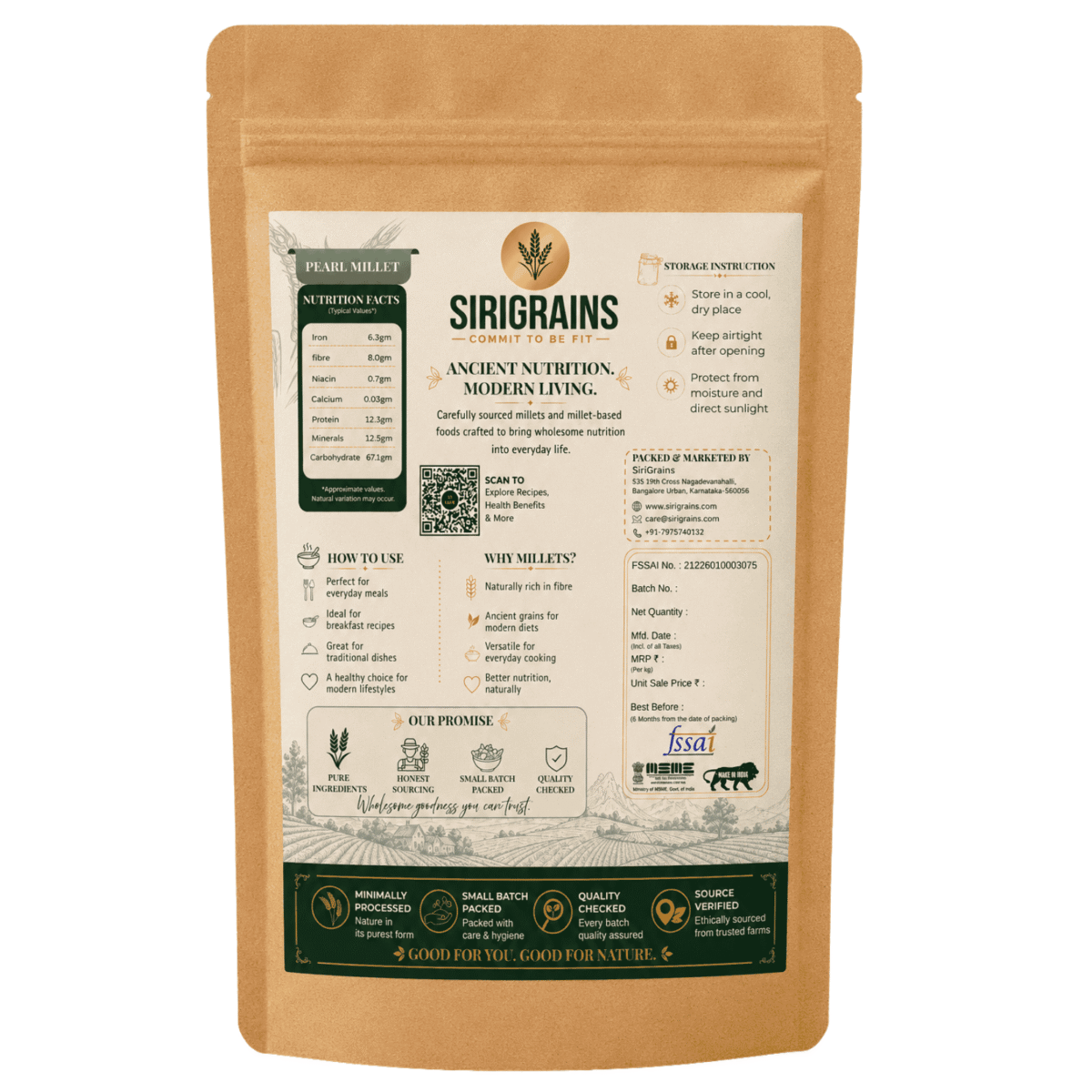
| Nutritional Info (per 100g) | Calories: 361 kcal, Protein: 10.9g, Dietary Fiber: 11g, Carbohydrates: 67g, Fat: 5g, Iron: 10.8mg, Calcium: 38mg, Magnesium: 110mg, Folate (Folic Acid): 77μg |
| Specialty | Gluten-Free, Unpolished, Vegan, FSSAI Certified, Non-GMO, Winter Special, Pregnancy Superfood, Lactation Support |
| Cooking Time & Method | Soaking Required: 4-6 hours (preferred), Cooking Time: 20-25 minutes, Water Ratio: 1:3, Best For: Roti/Chapati, Khichdi, Dosa, Idli, Porridge, Lapsi, Kheer |
Viewers Also Liked
In stock
1.05 kg
₹255.00
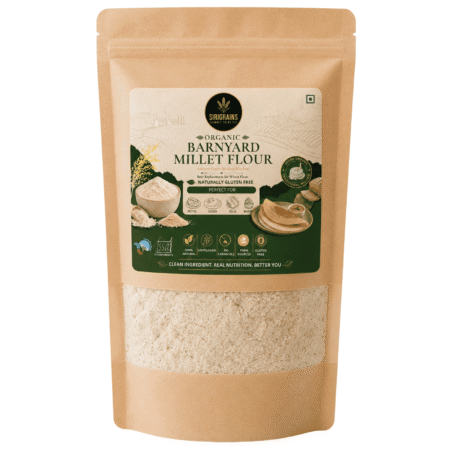
Barnyard Millet Flour 1kg, Gluten-Free Flour, Organic Positive Millet (Siridhanya)
SKU: SG-BM-FLR-1KG
In stock
1.05 kg
₹280.00
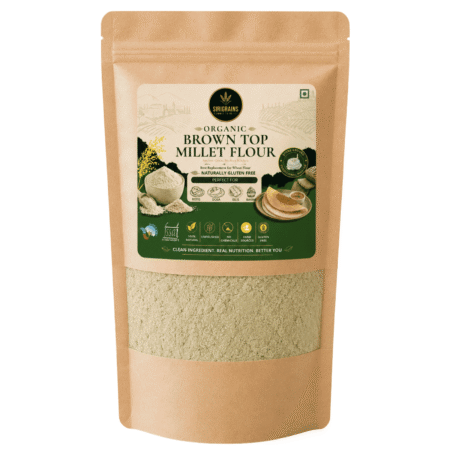
Browntop Millet Flour (1kg) – Rare Positive Millet (Siridhanya)
SKU: SG-BT-FLR-1KG
In stock
0.6 kg
₹190.00
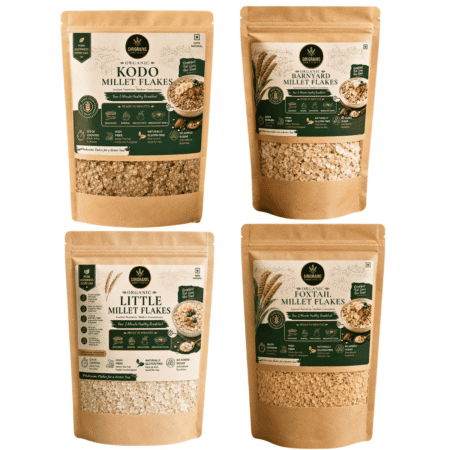
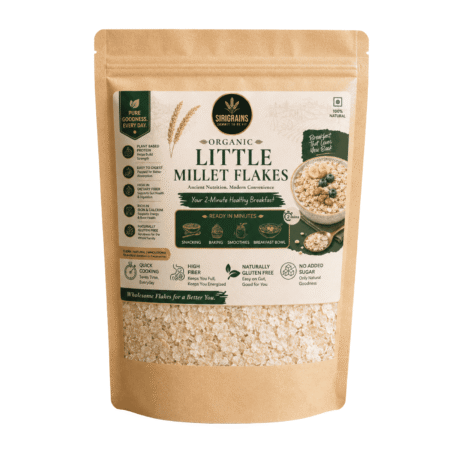
Organic Little Millet Flakes (500g) – Instant Breakfast Cereal
SKU: SG-LM-FLK-500GM
In stock
.6 kg
₹195.00
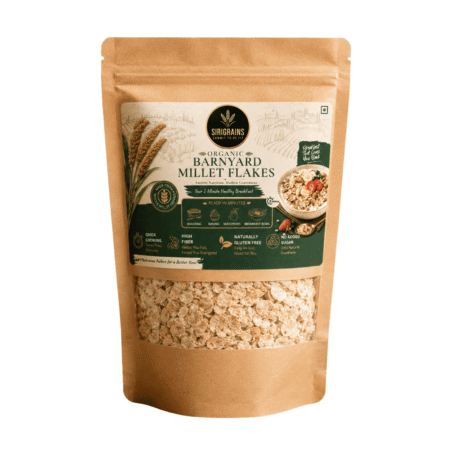
Organic Barnyard Millet Flakes (500g) – Instant Breakfast Cereal
SKU: SG-BM-FLK-500GM
In stock
1.05 kg
₹112.00
Red Finger Millet 1kg | Highest Calcium, (Ragi / Nachni)
SKU: SG-RFM-ORG-1KG